A family home shaped by water, silence and invisible technology
Villa K
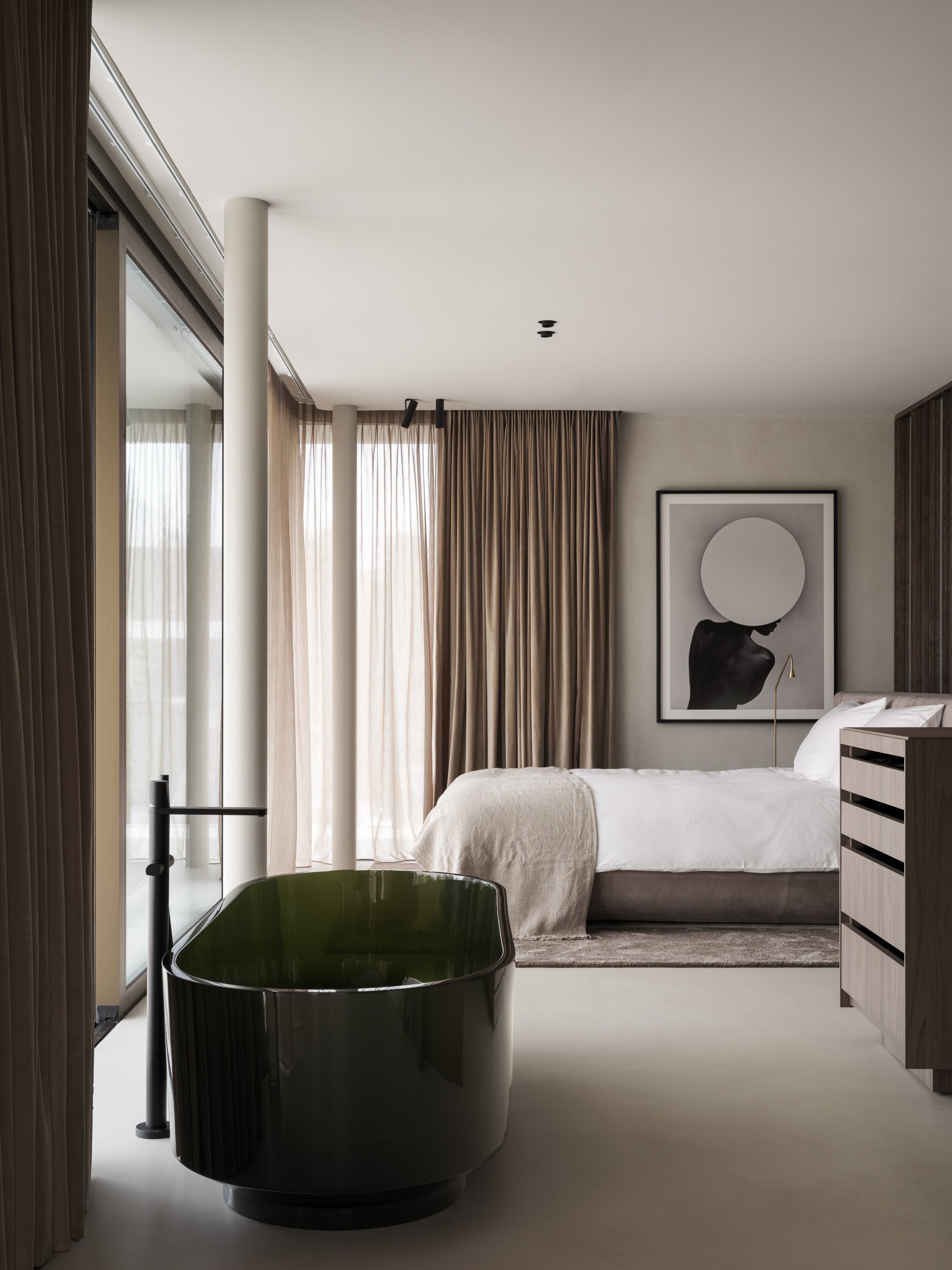
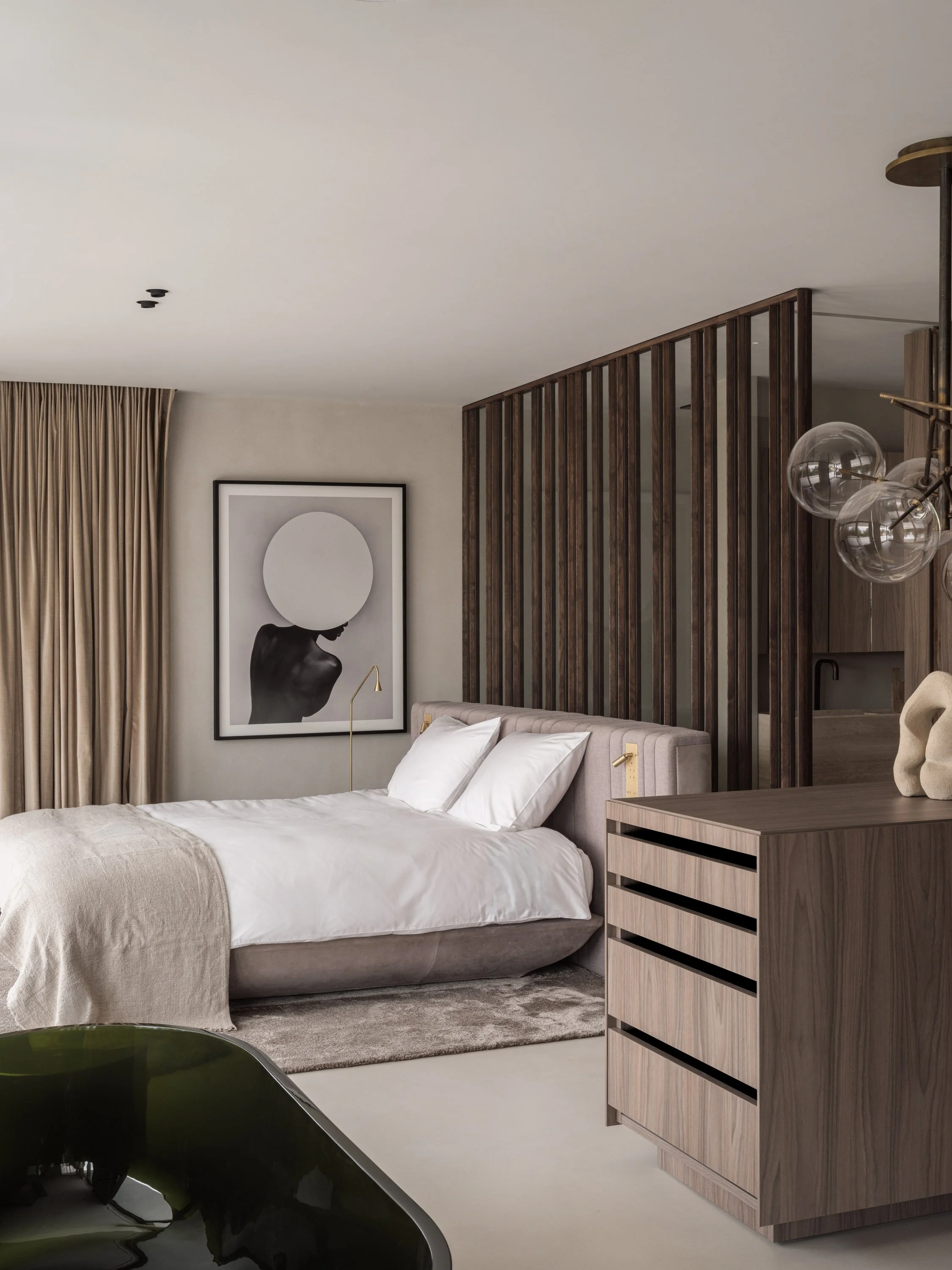
Villa K was conceived as more than a family home. It set out to answer a broader question: could one residence seamlessly combine private living, hospitality and a place where clients experience architecture, interior design and technology in harmony? Rather than creating a showroom, the ambition was to design a home that genuinely supports everyday life.
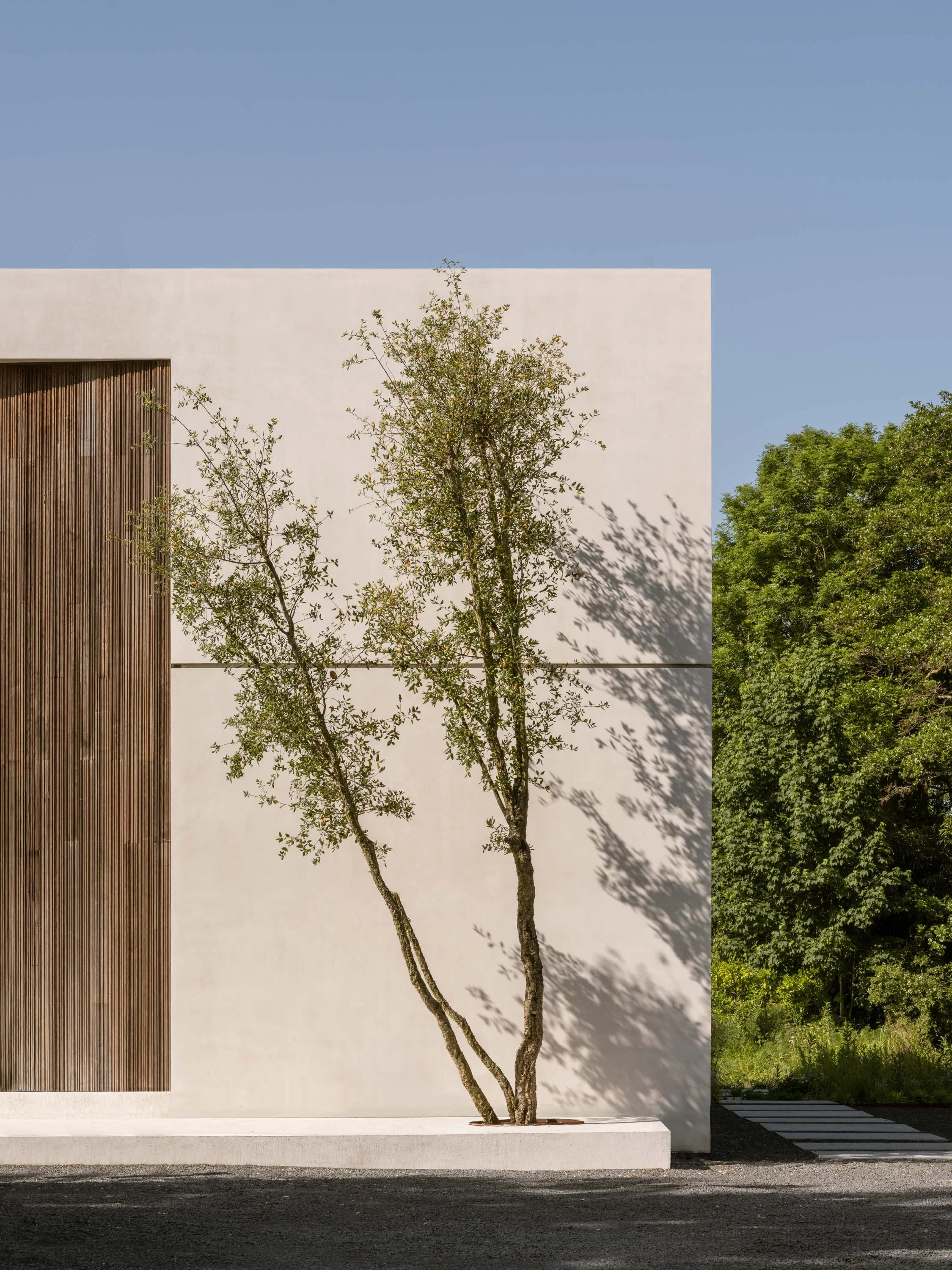
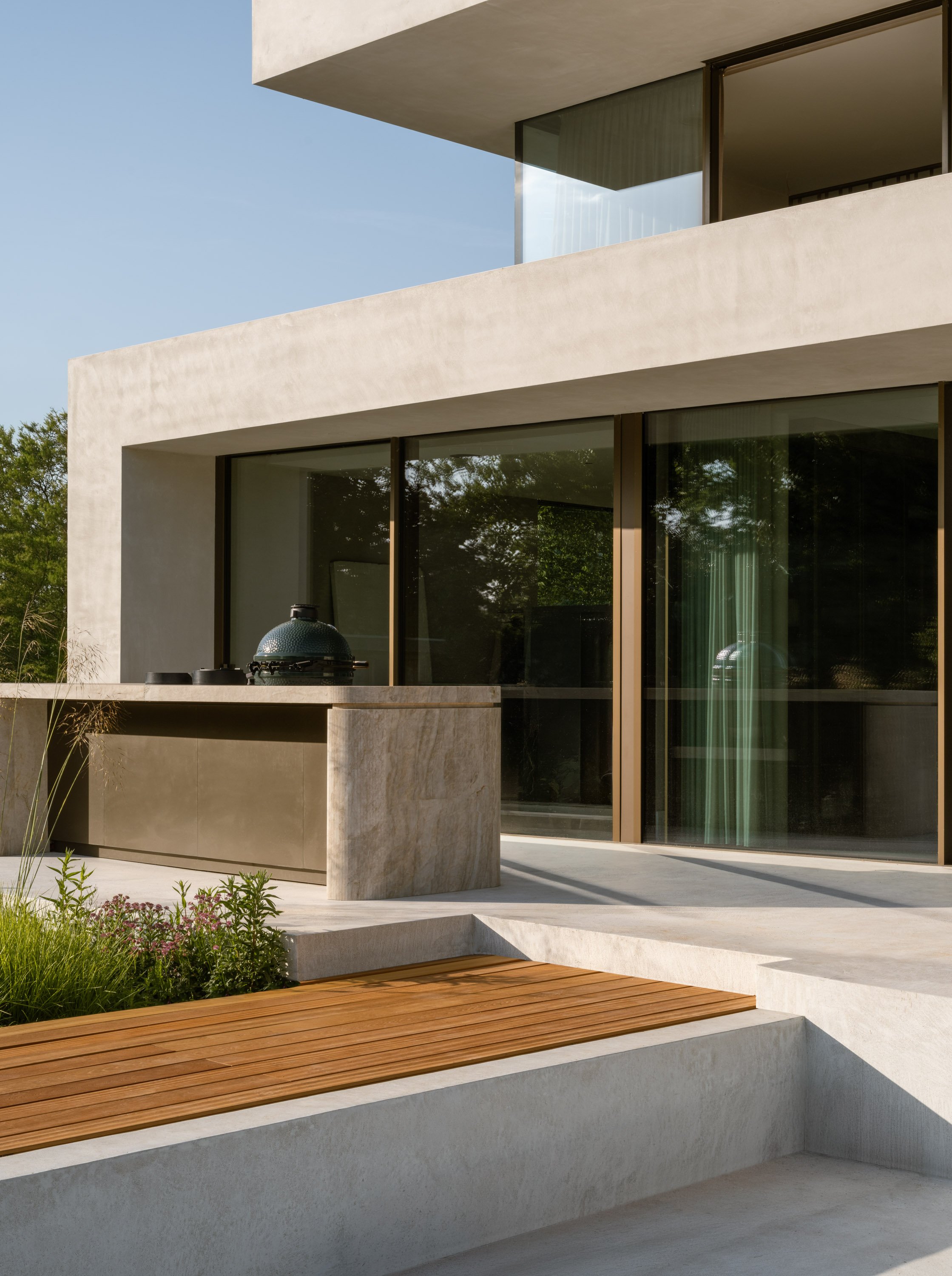
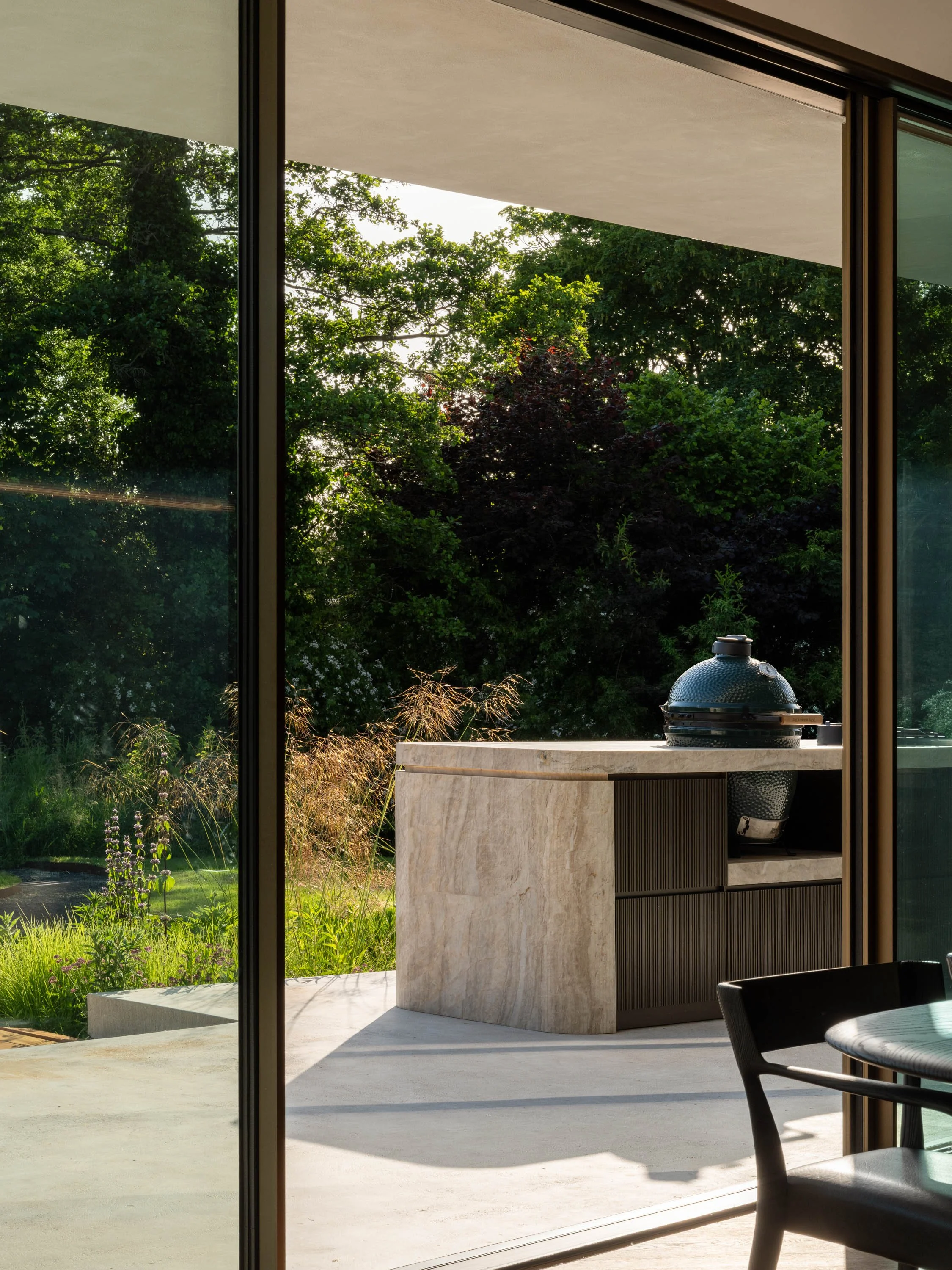
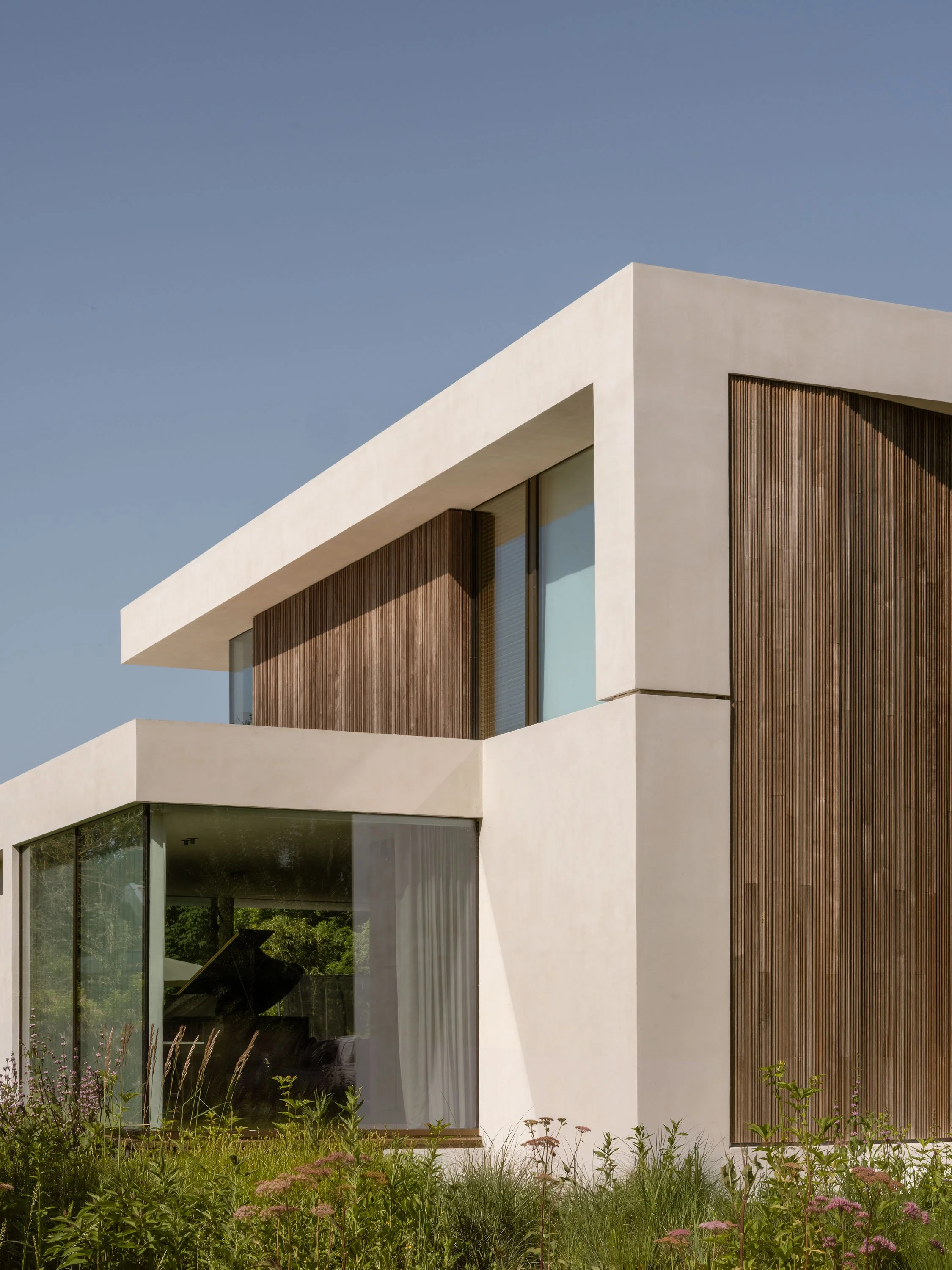
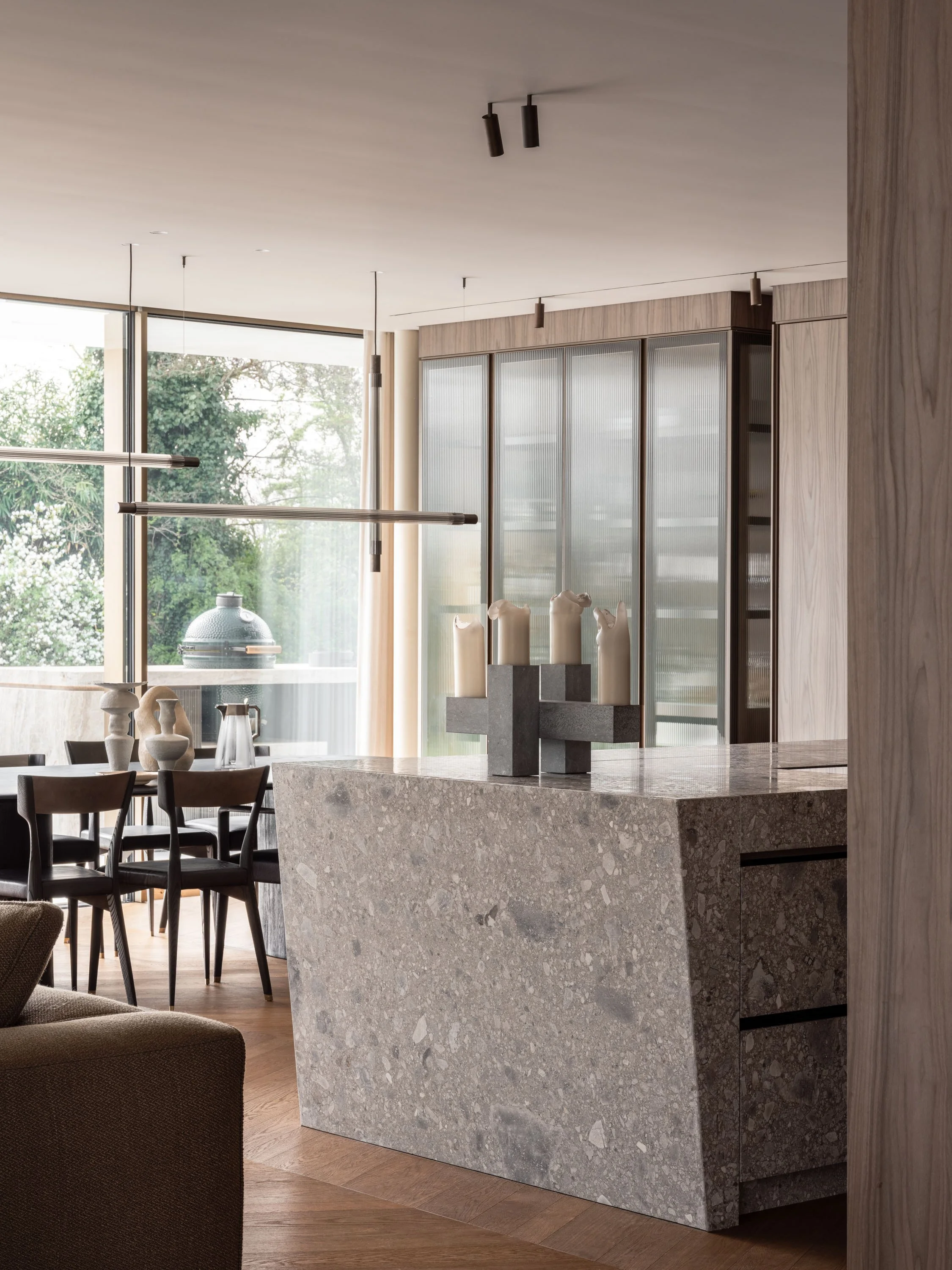
Located on the shores of the Vinkeveense Plassen near Amsterdam, the architecture responds to its surroundings through contrast. Towards the street, the house remains largely closed, ensuring privacy. Towards the lake, expansive glass façades open the interior to panoramic views, creating a calm, light-filled living environment closely connected to nature.
Strict planning regulations limited the above-ground footprint to 300 square metres, leading to an innovative use of the lower ground floor. Here, generous spaces accommodate a cinema, fitness studio, boardroom, material library, secondary kitchen, bar and an indoor urban farm. Carefully proportioned, naturally lit and finished to the same standard as the main living areas, this level forms an integral part of the home.
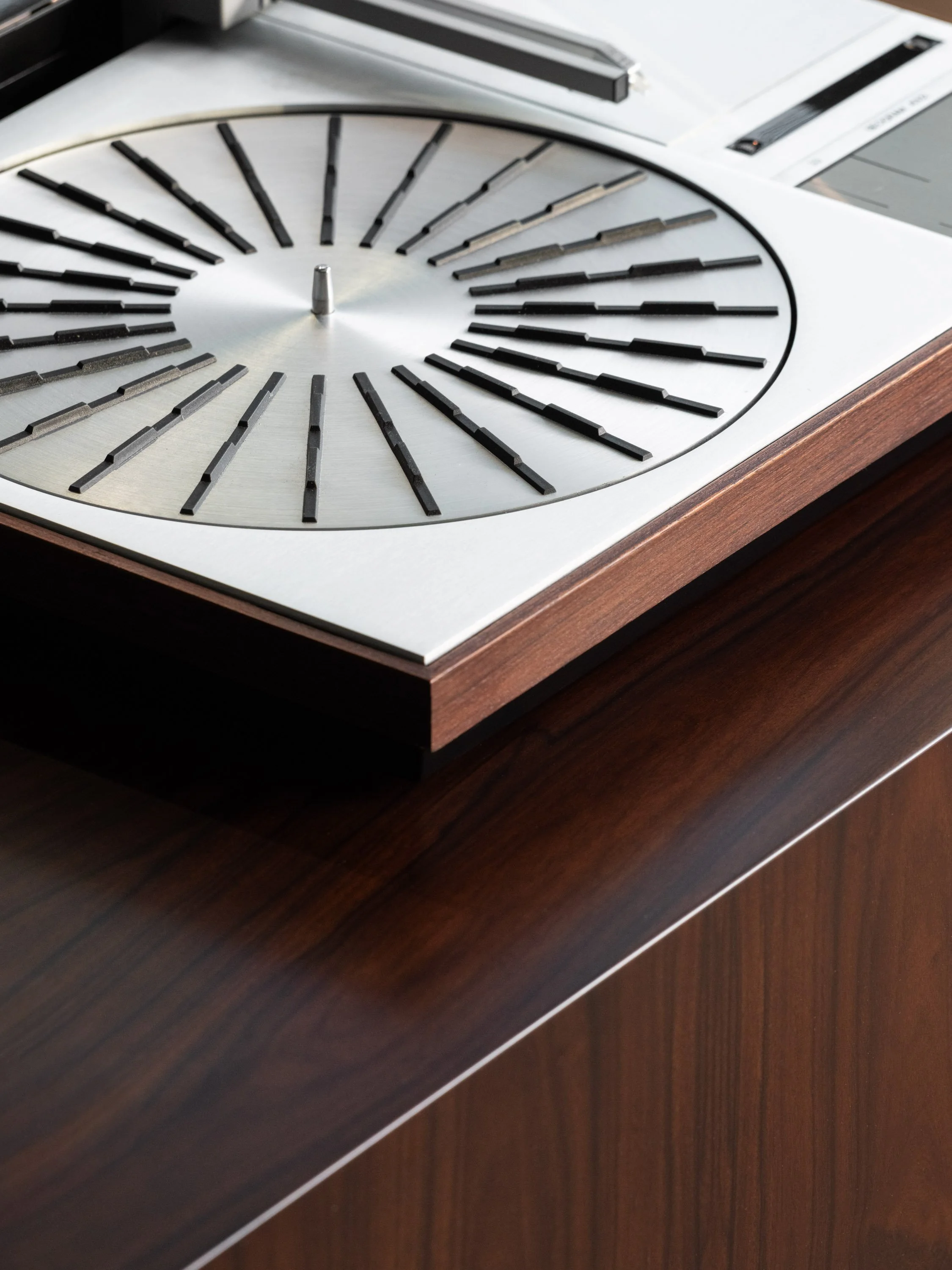
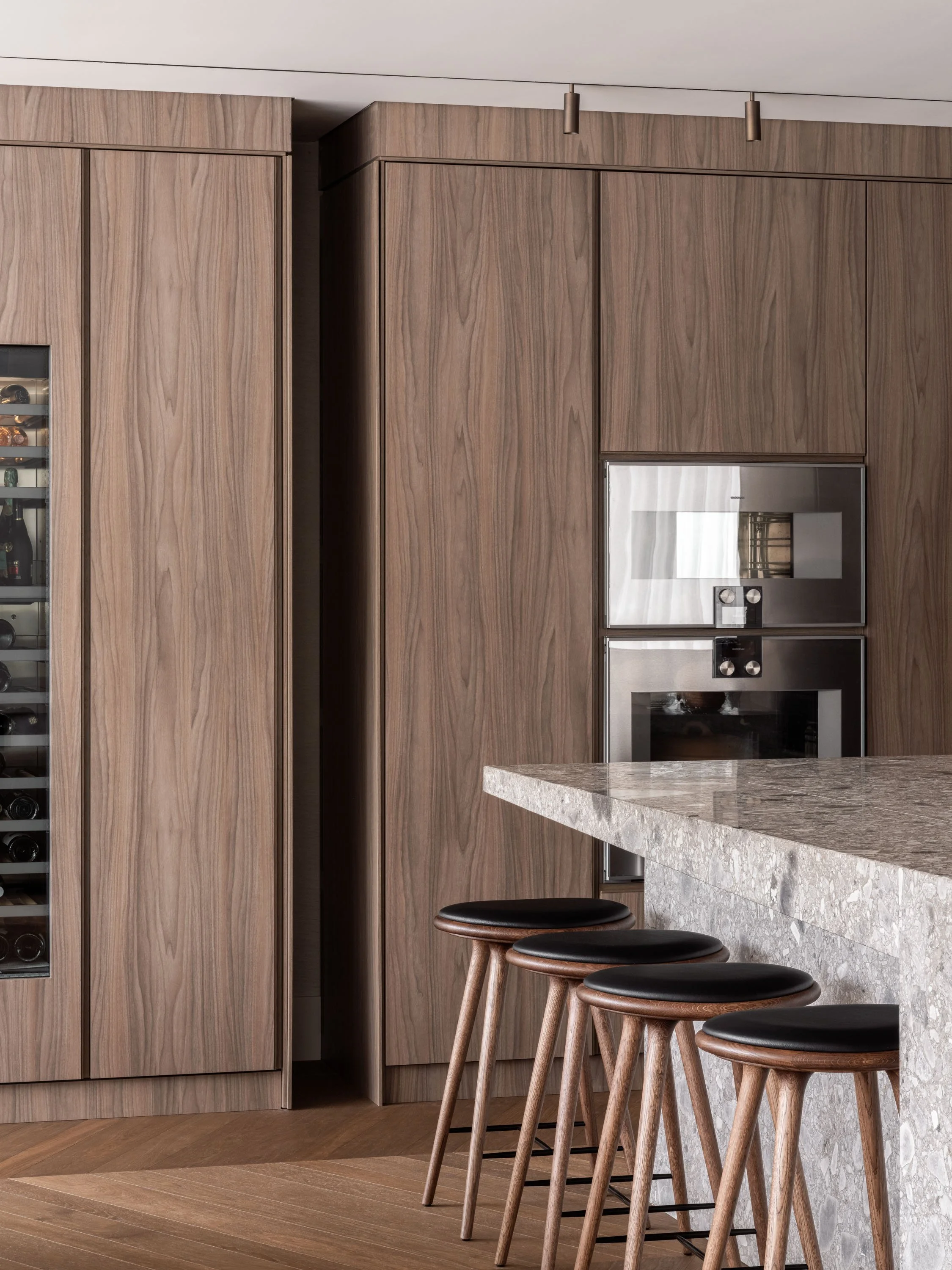
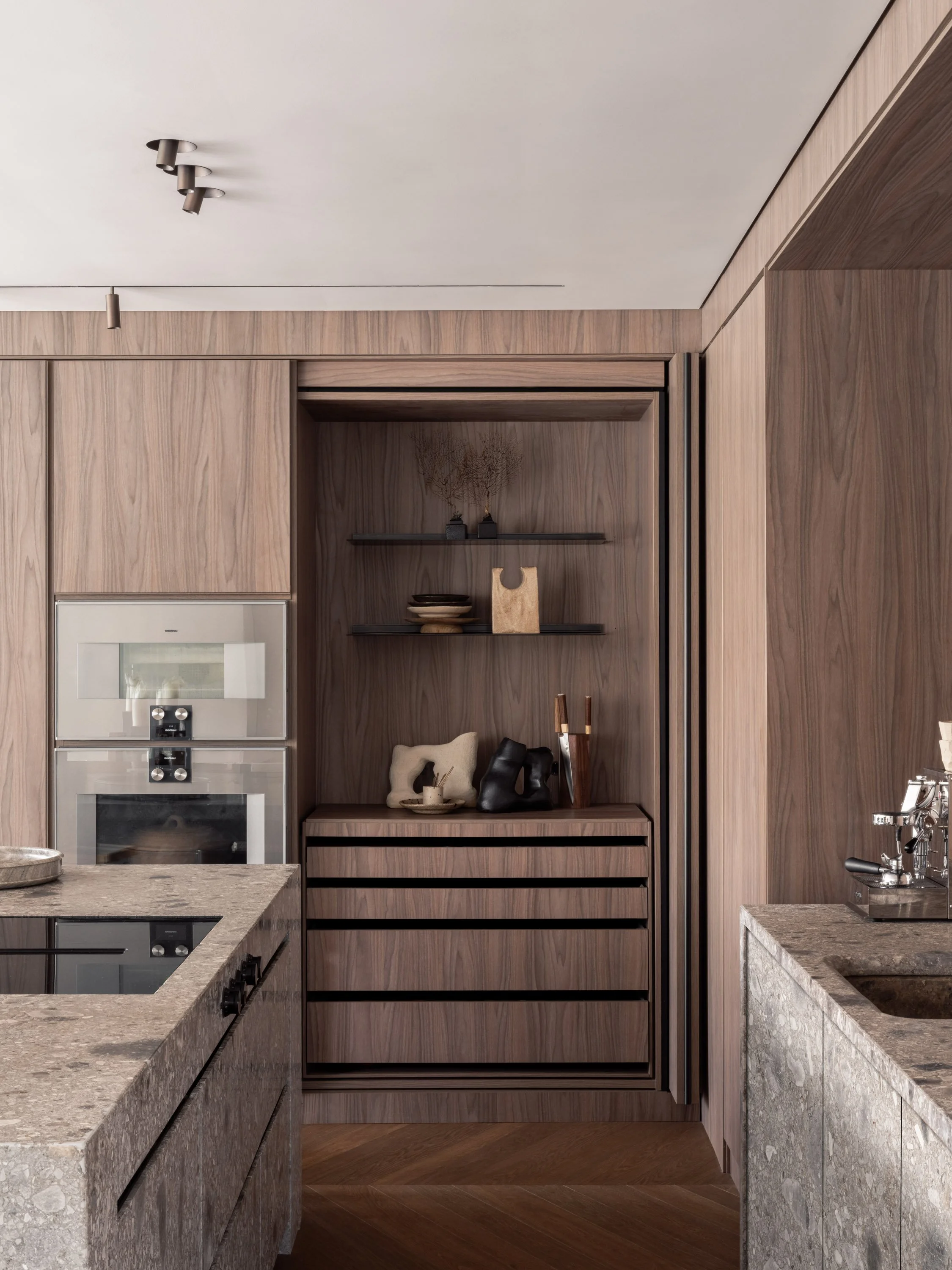
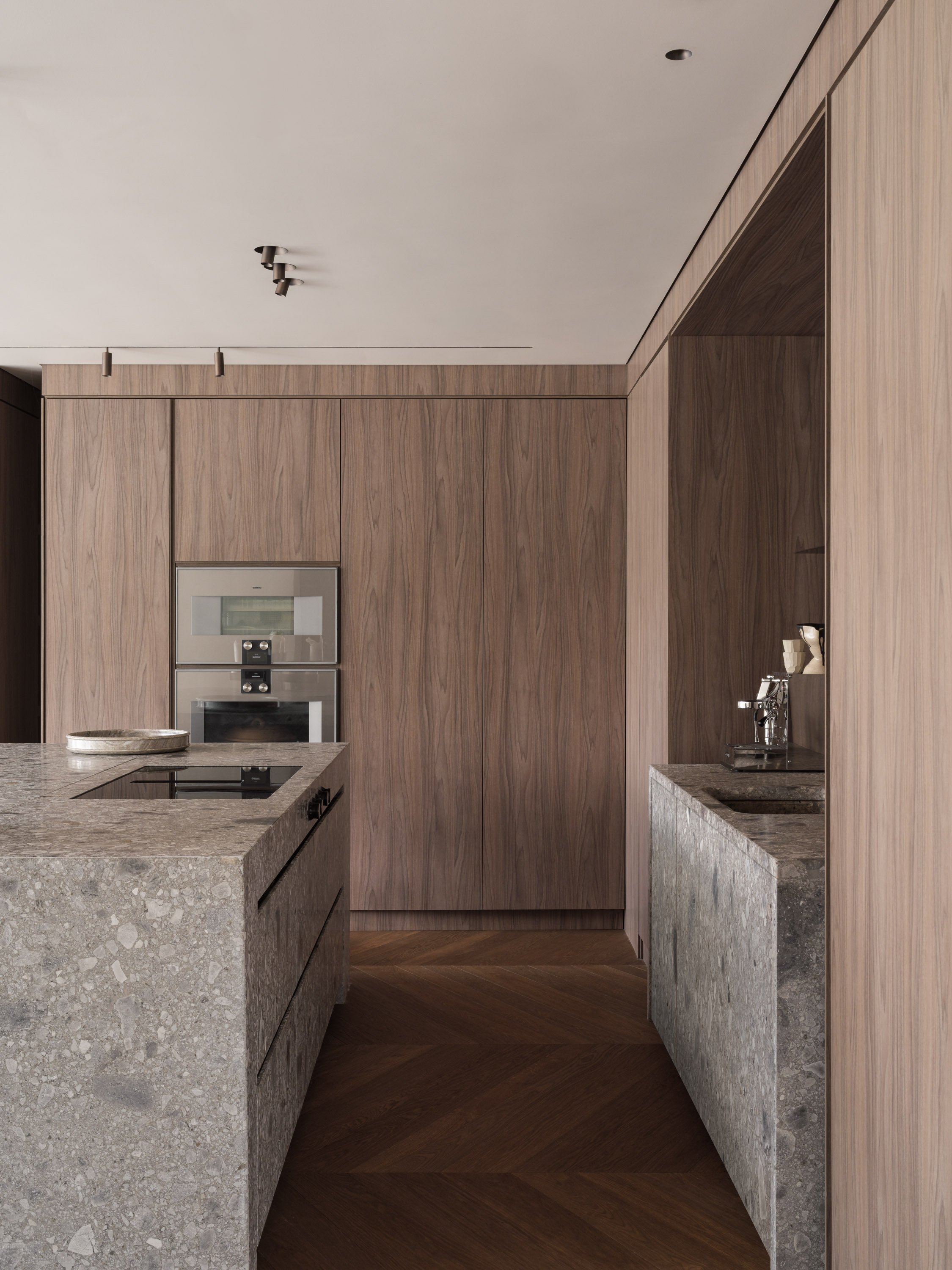
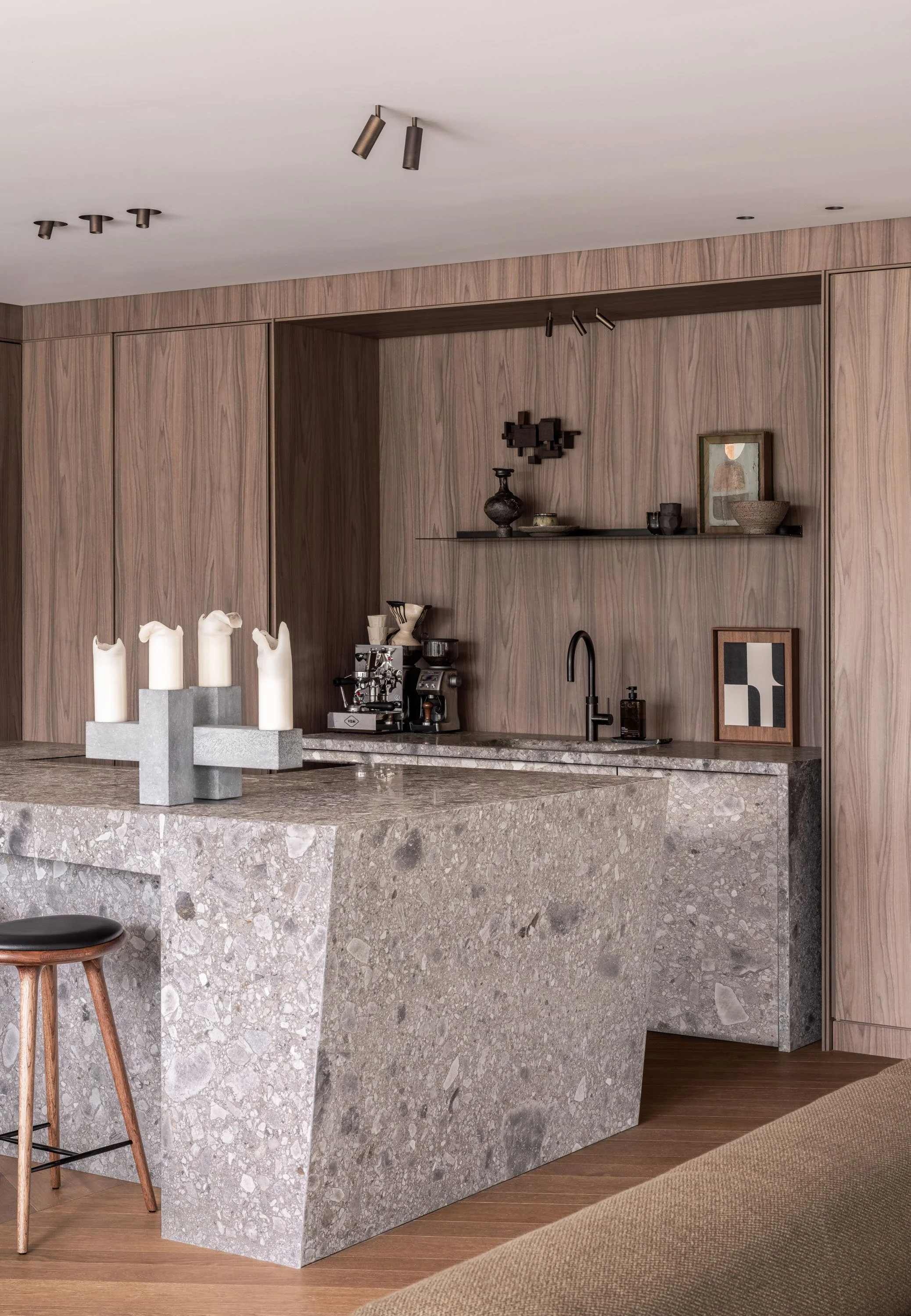
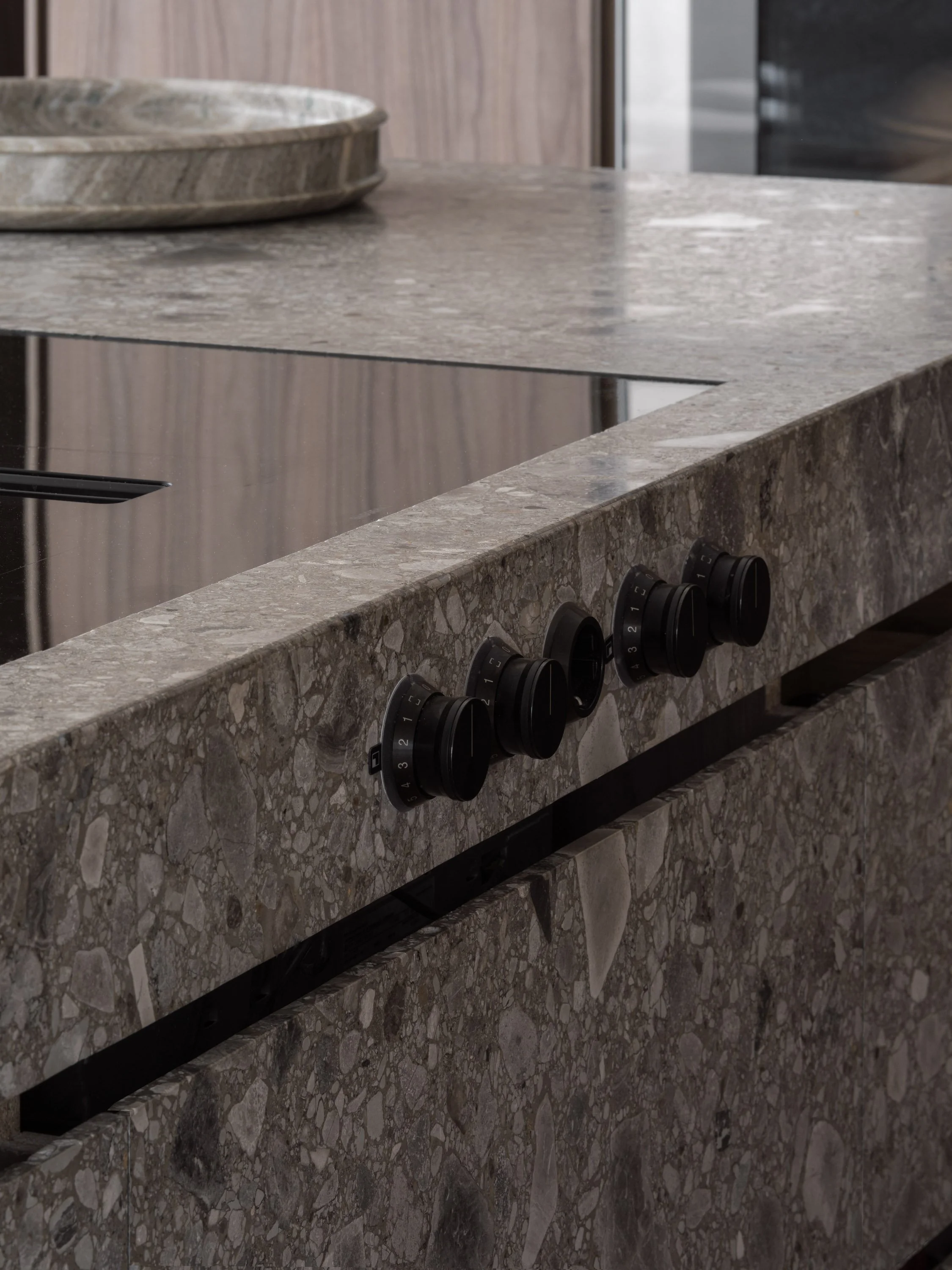
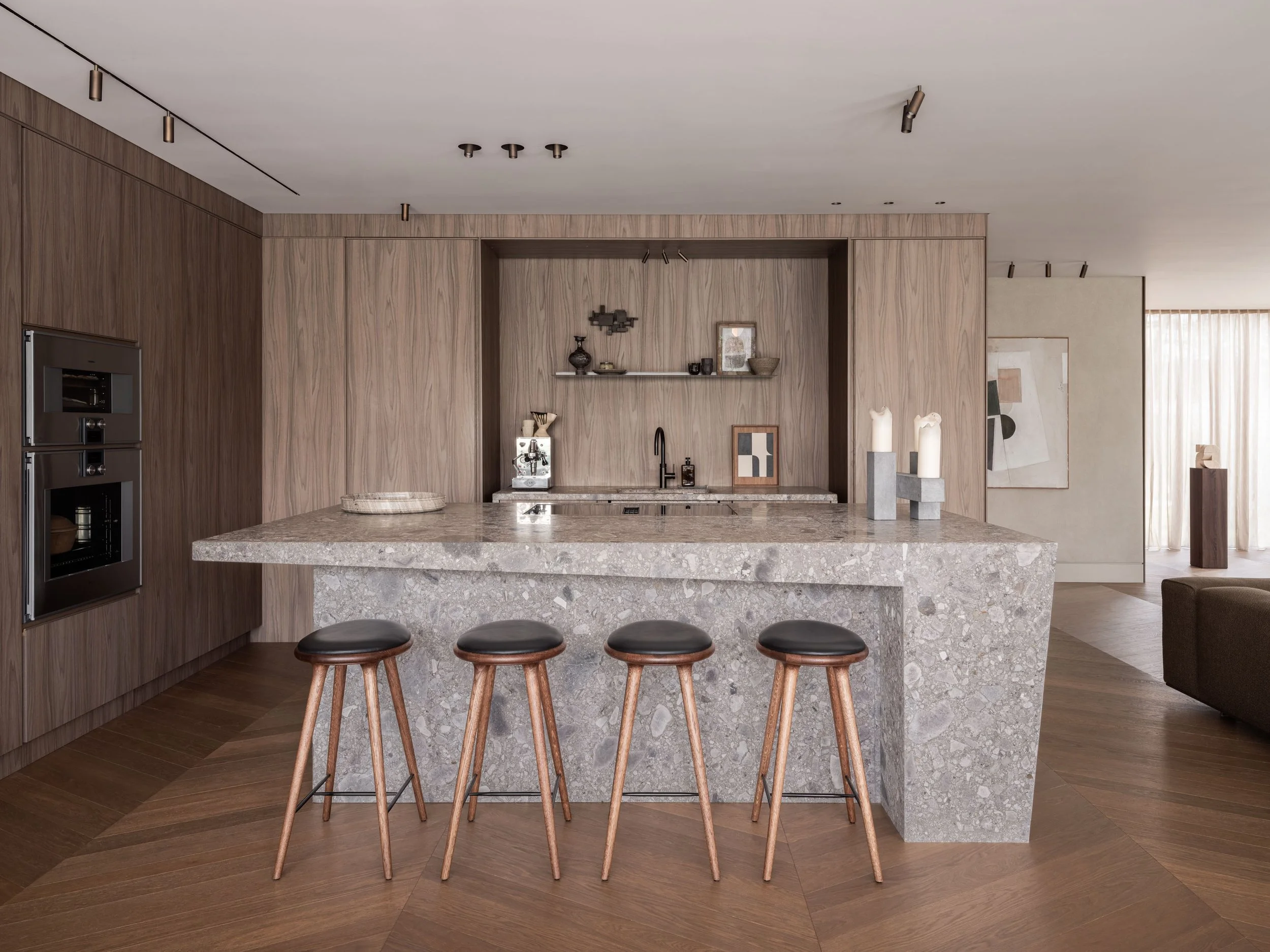
Innovation is woven subtly throughout the project. Hydroponic systems allow fresh produce to be cultivated indoors, while integrated technology enhances comfort without dominating the architecture. A television disappears into the floor, kitchen storage rises seamlessly from the worktop, and discreet systems manage air quality, water filtration and home automation.
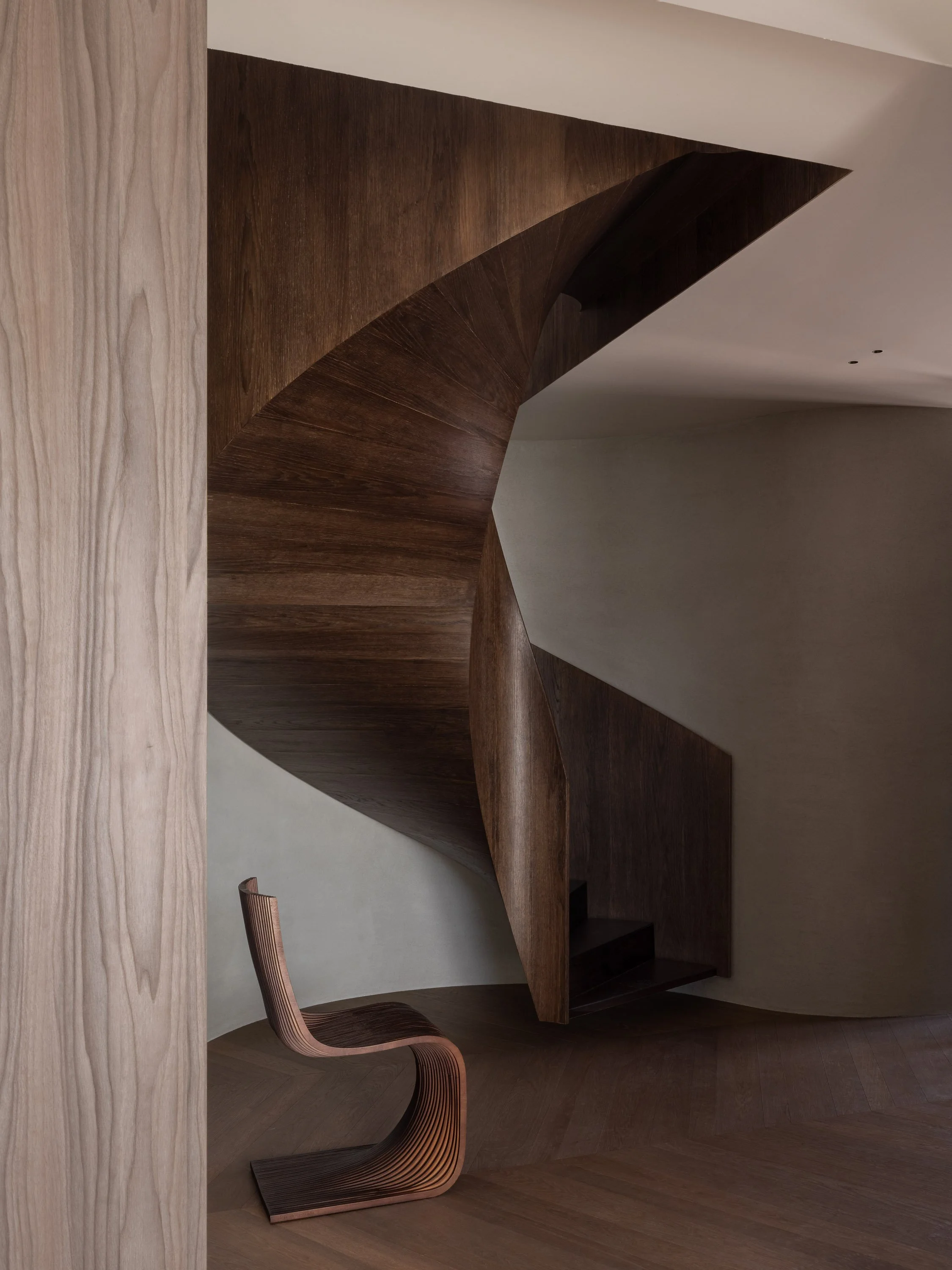
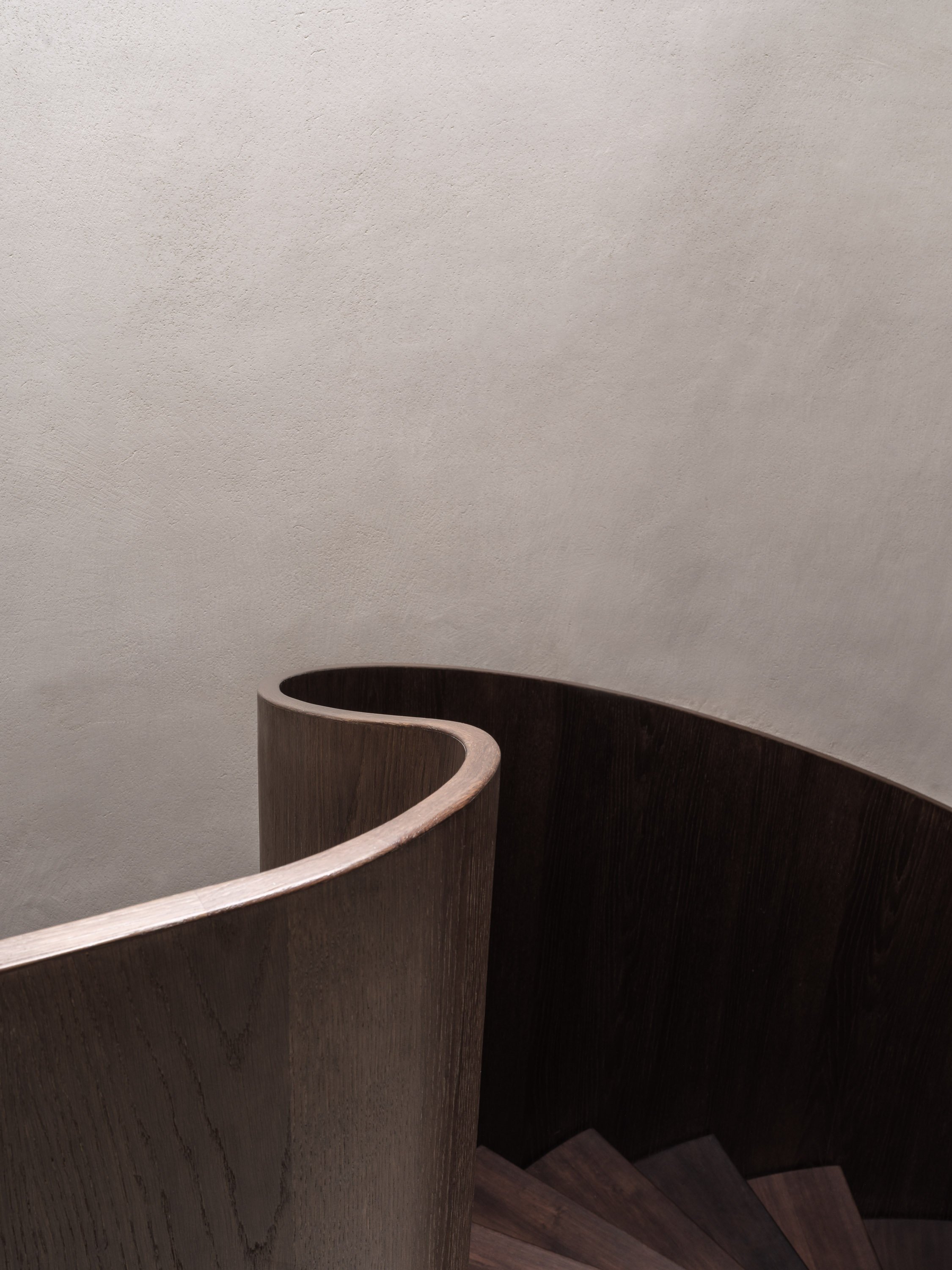
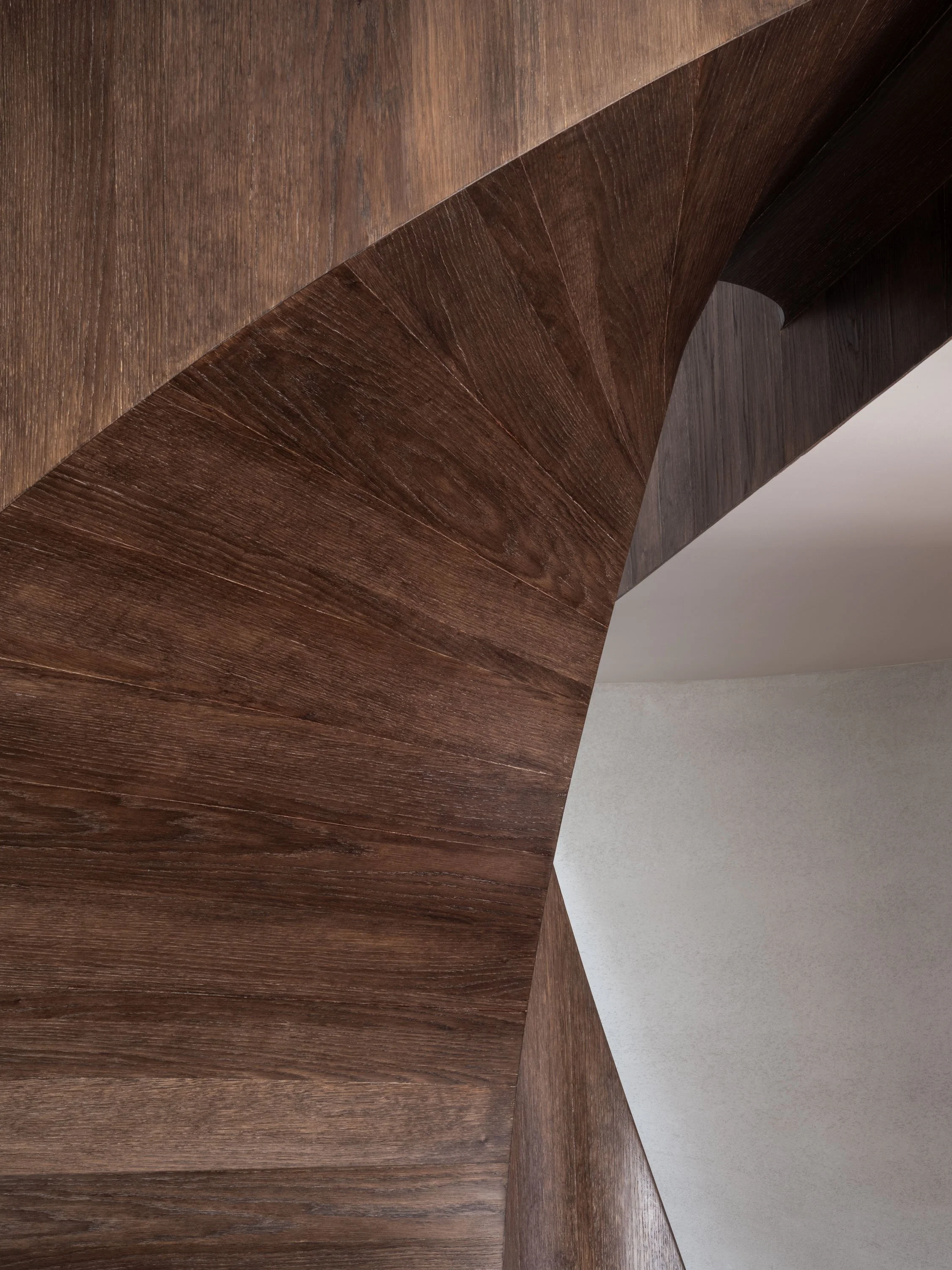
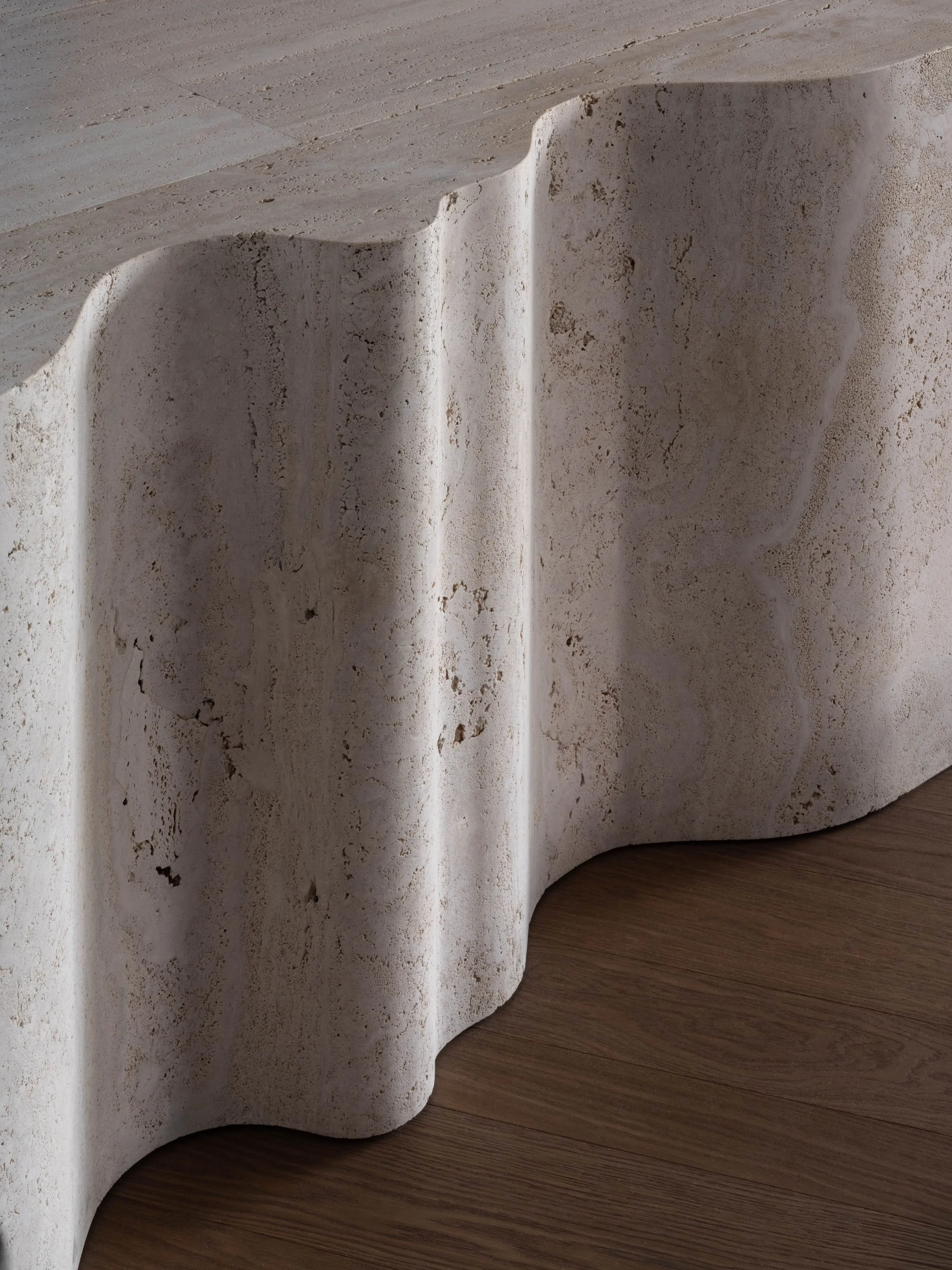
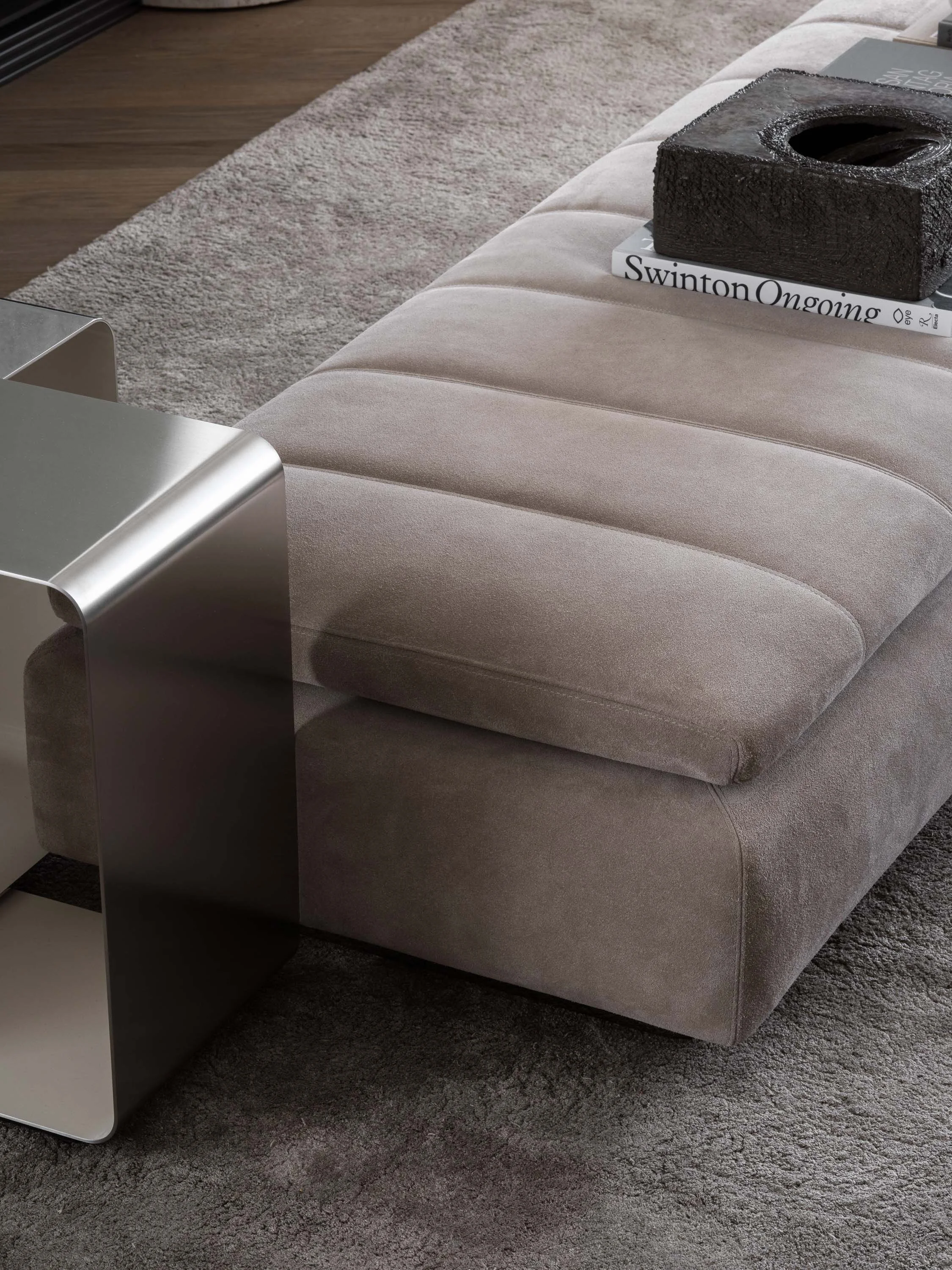
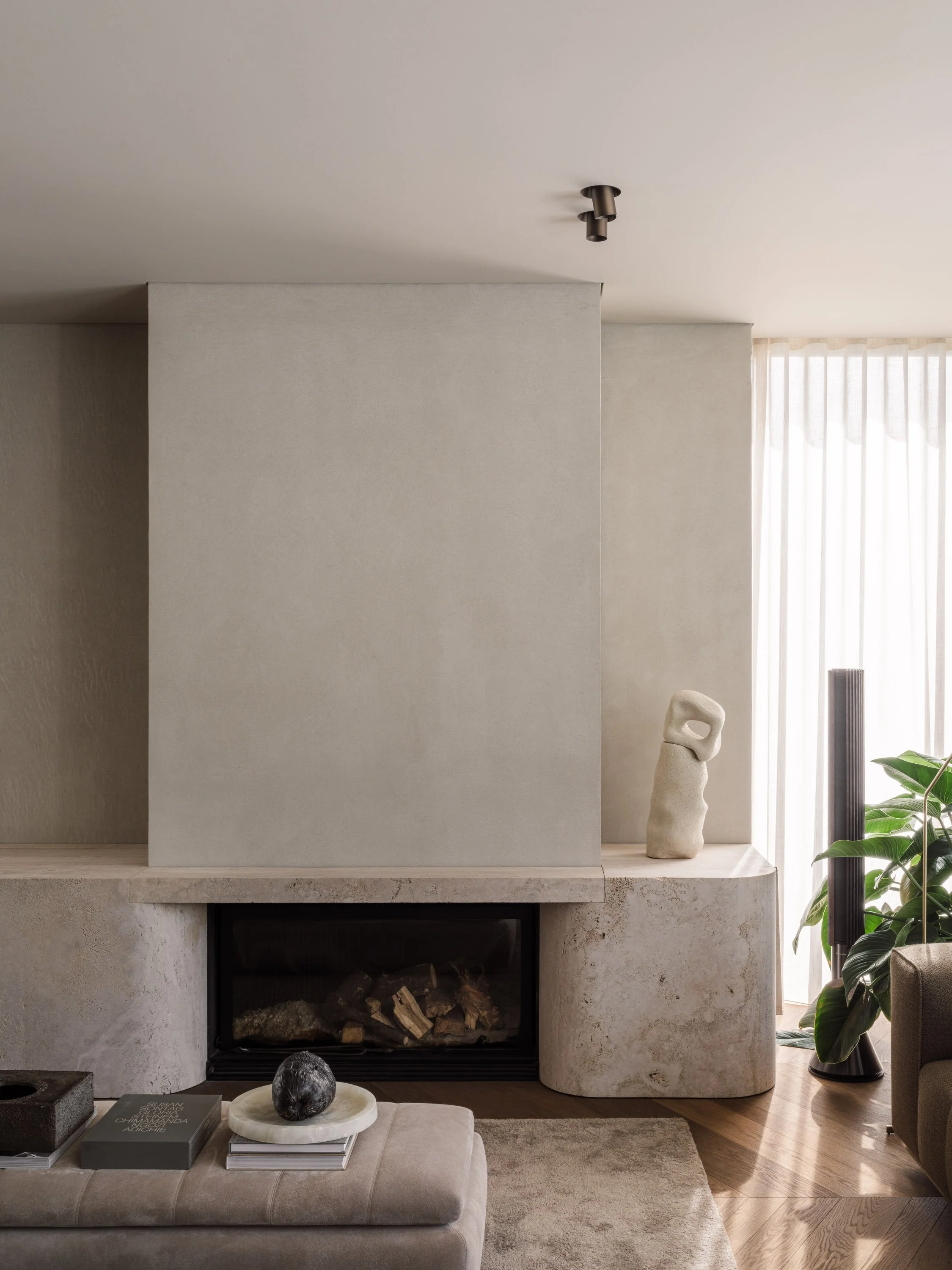
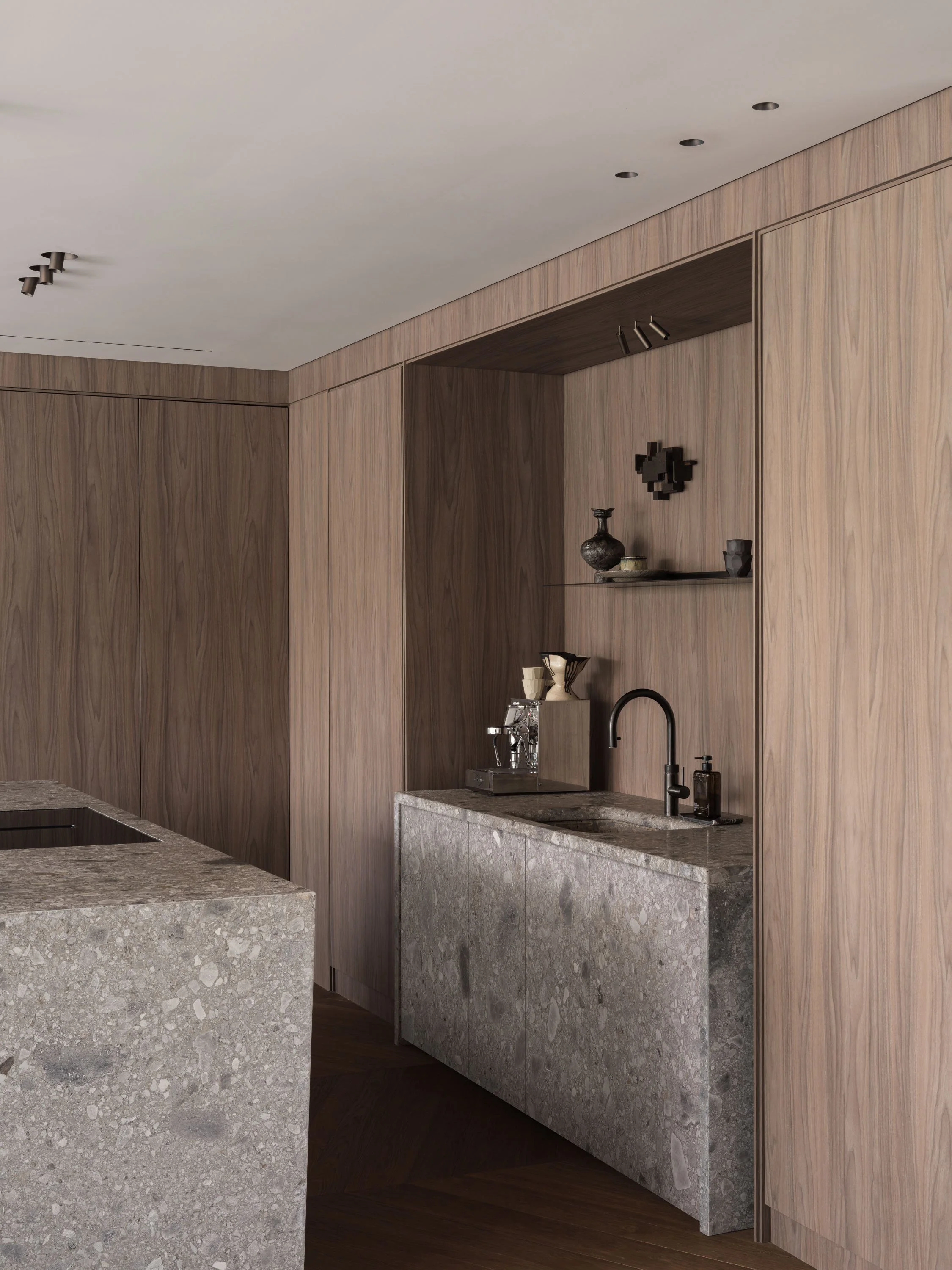
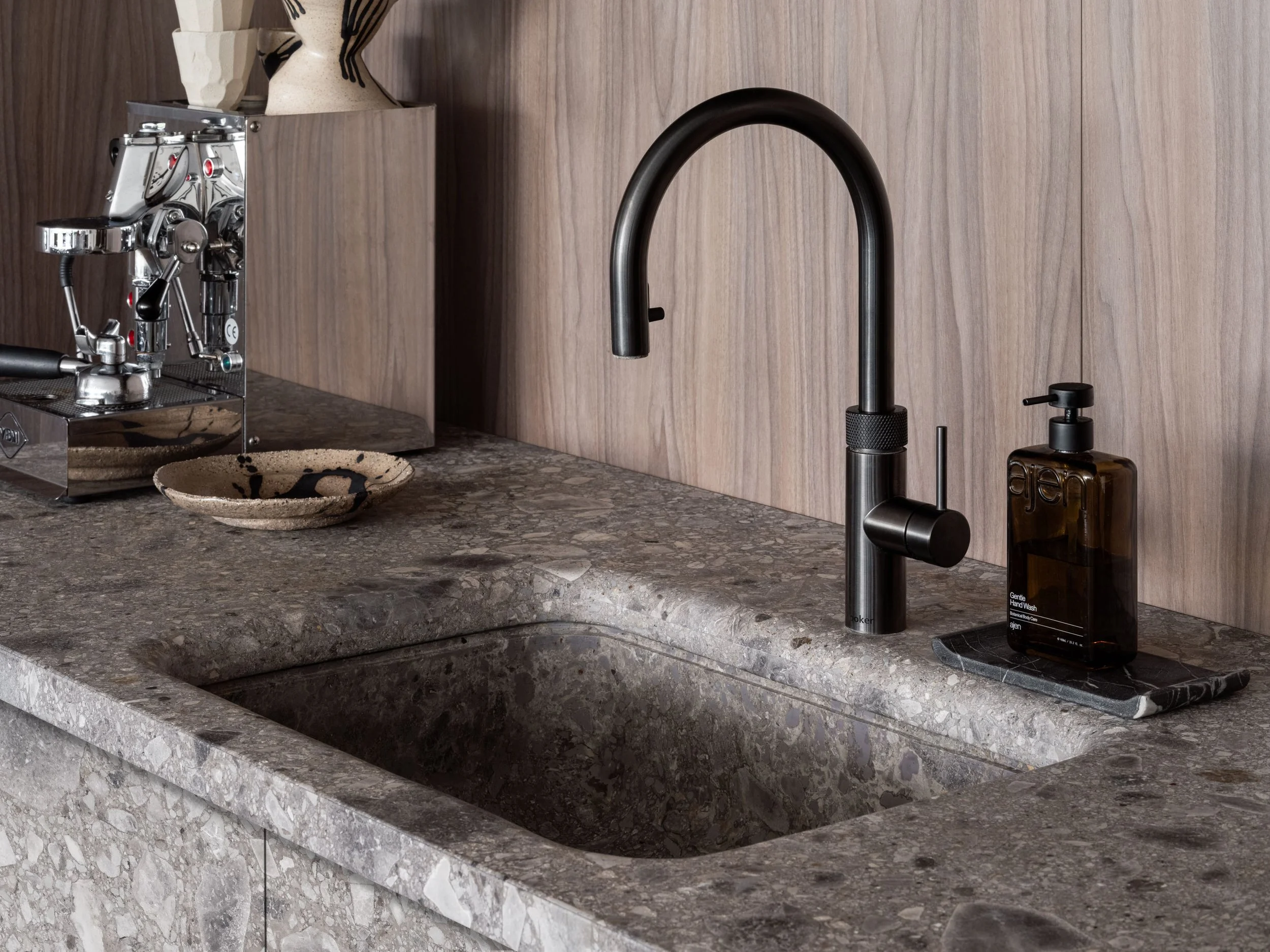
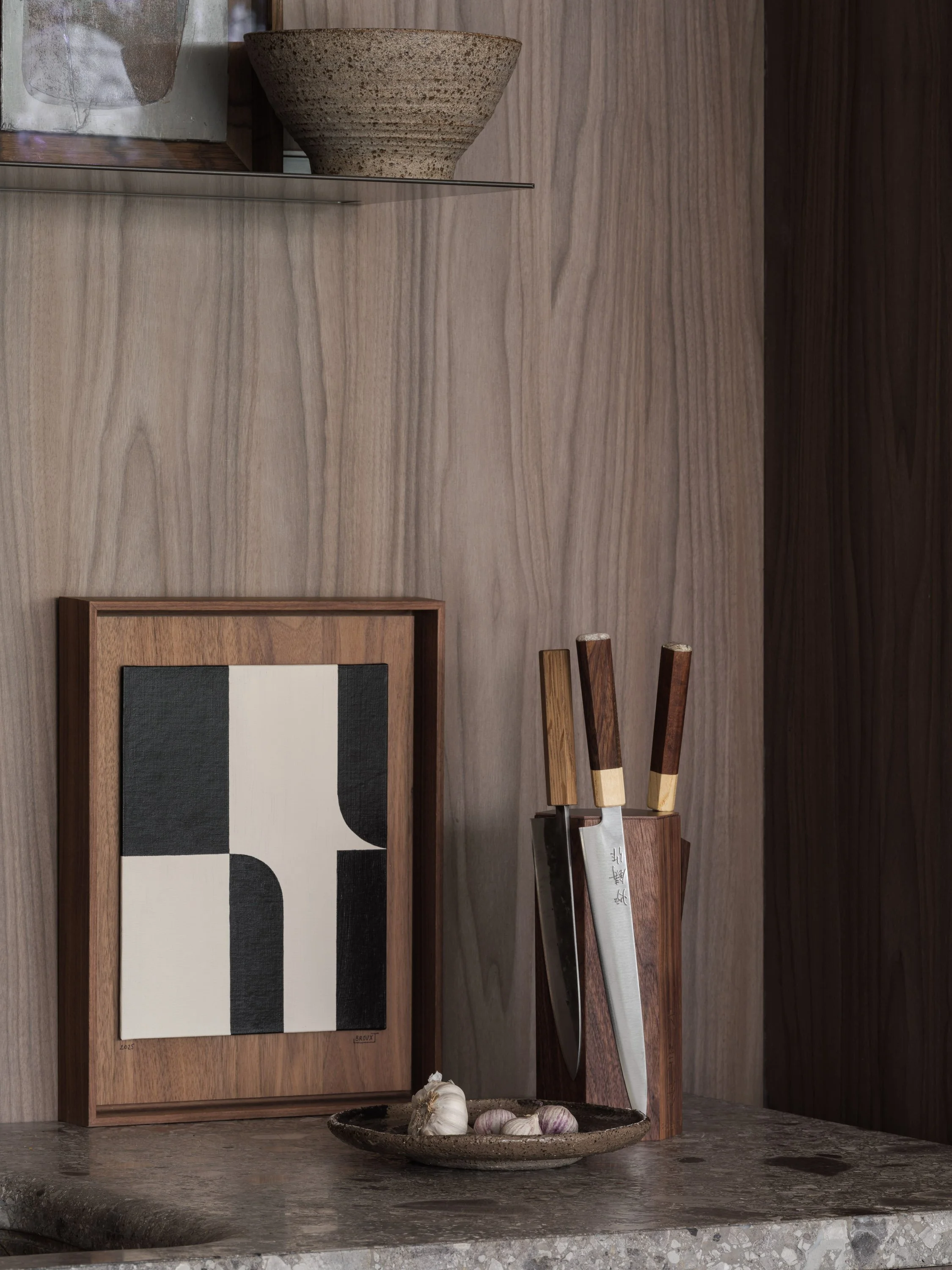
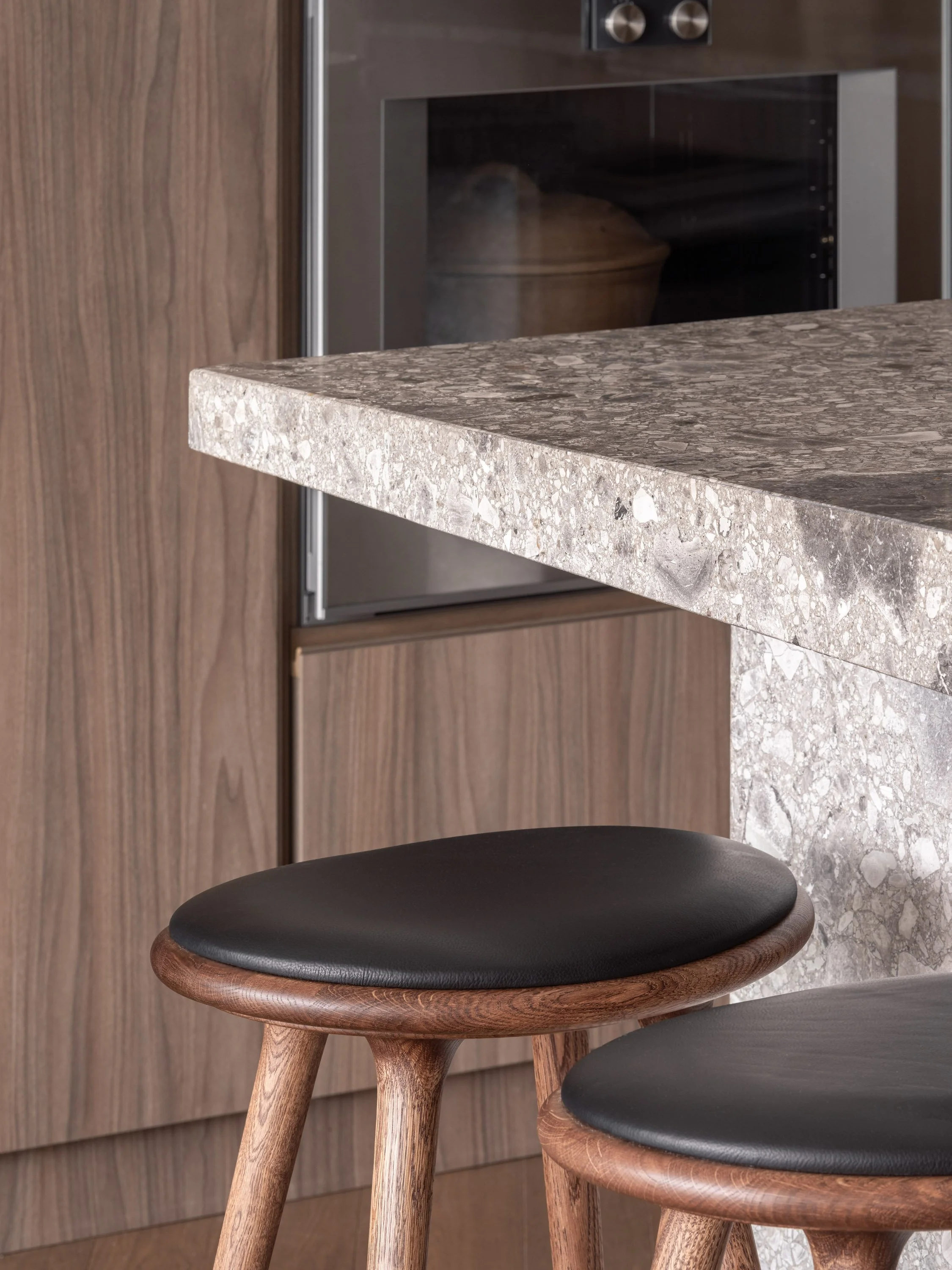
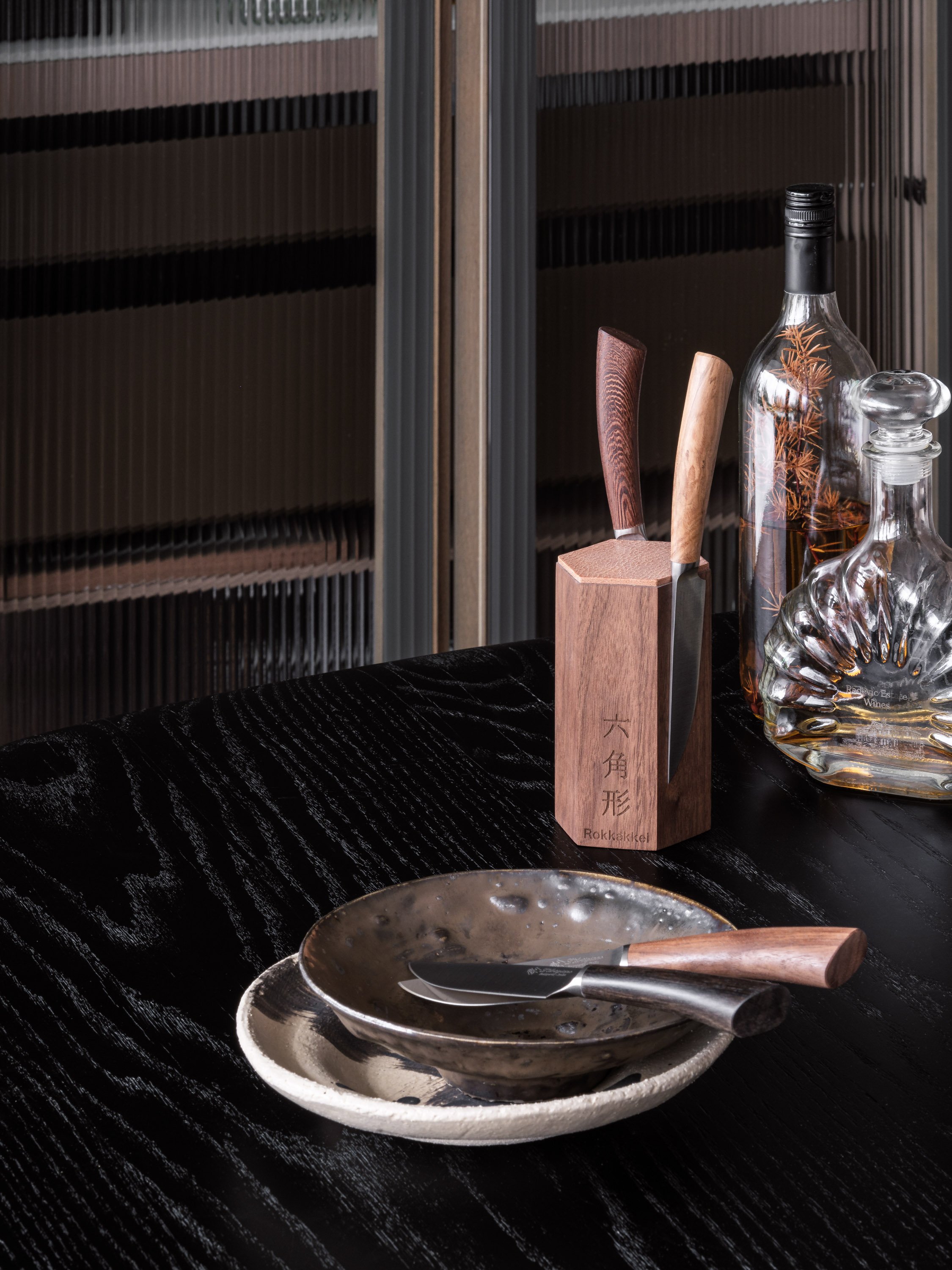
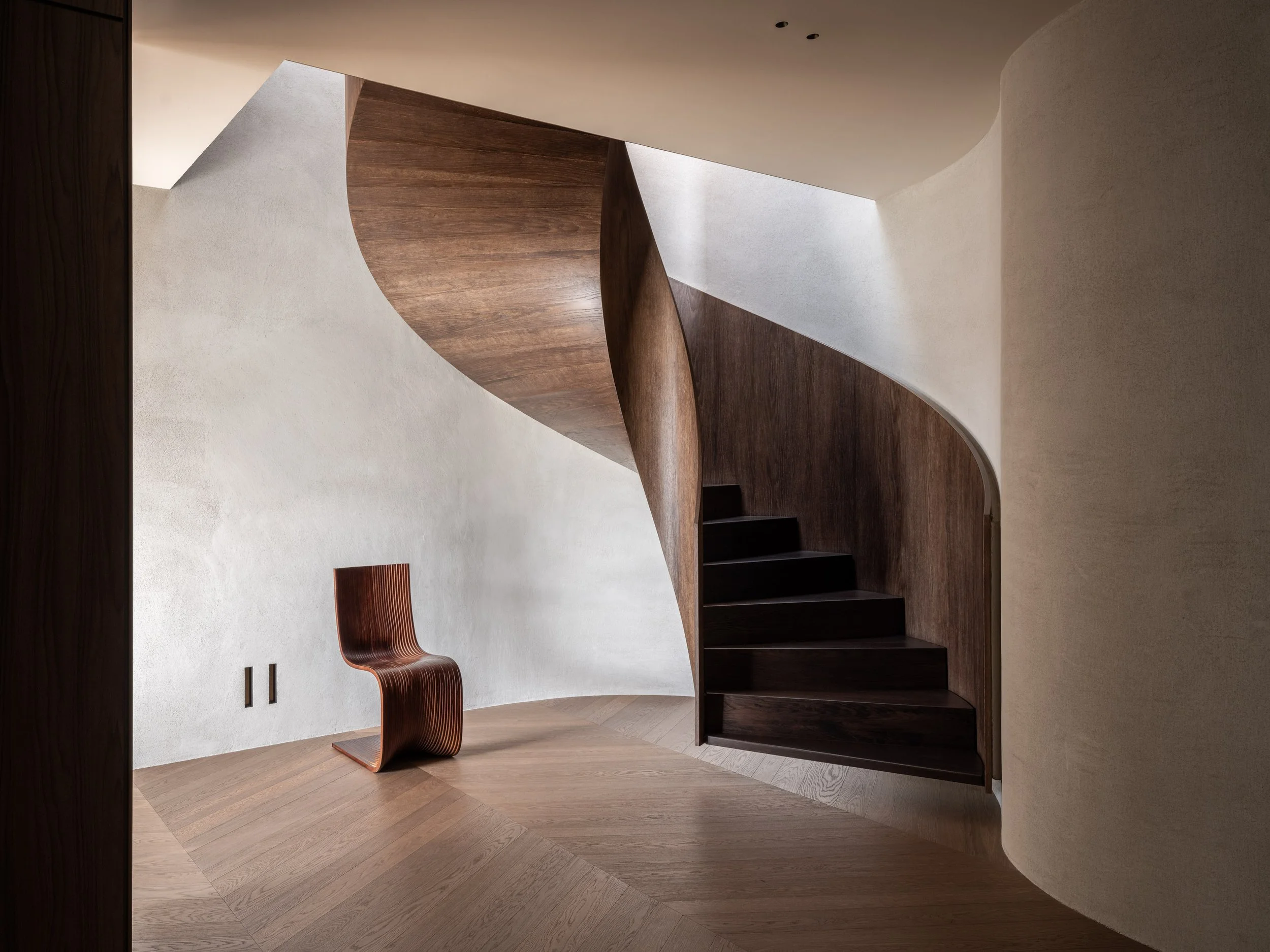
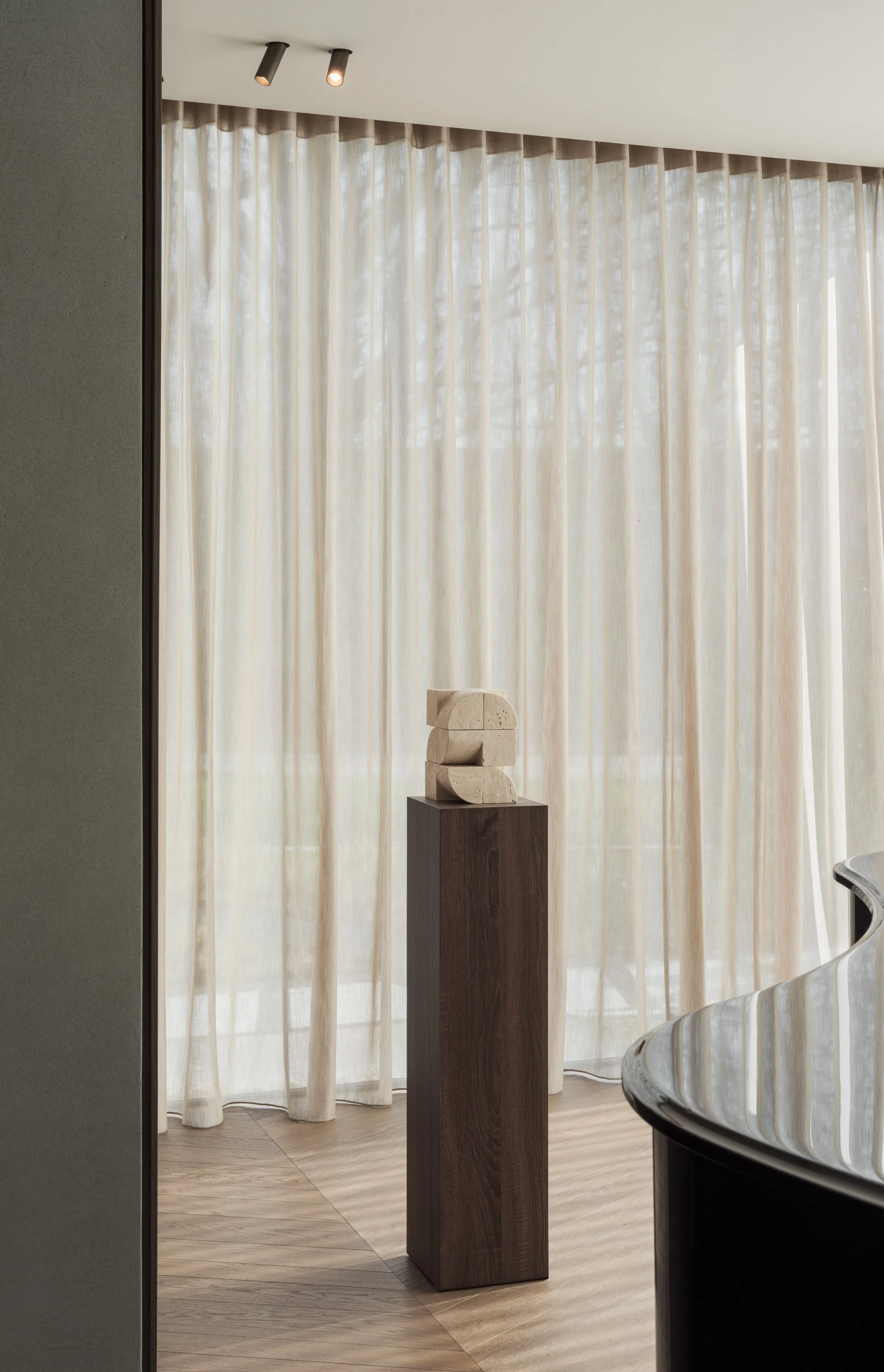
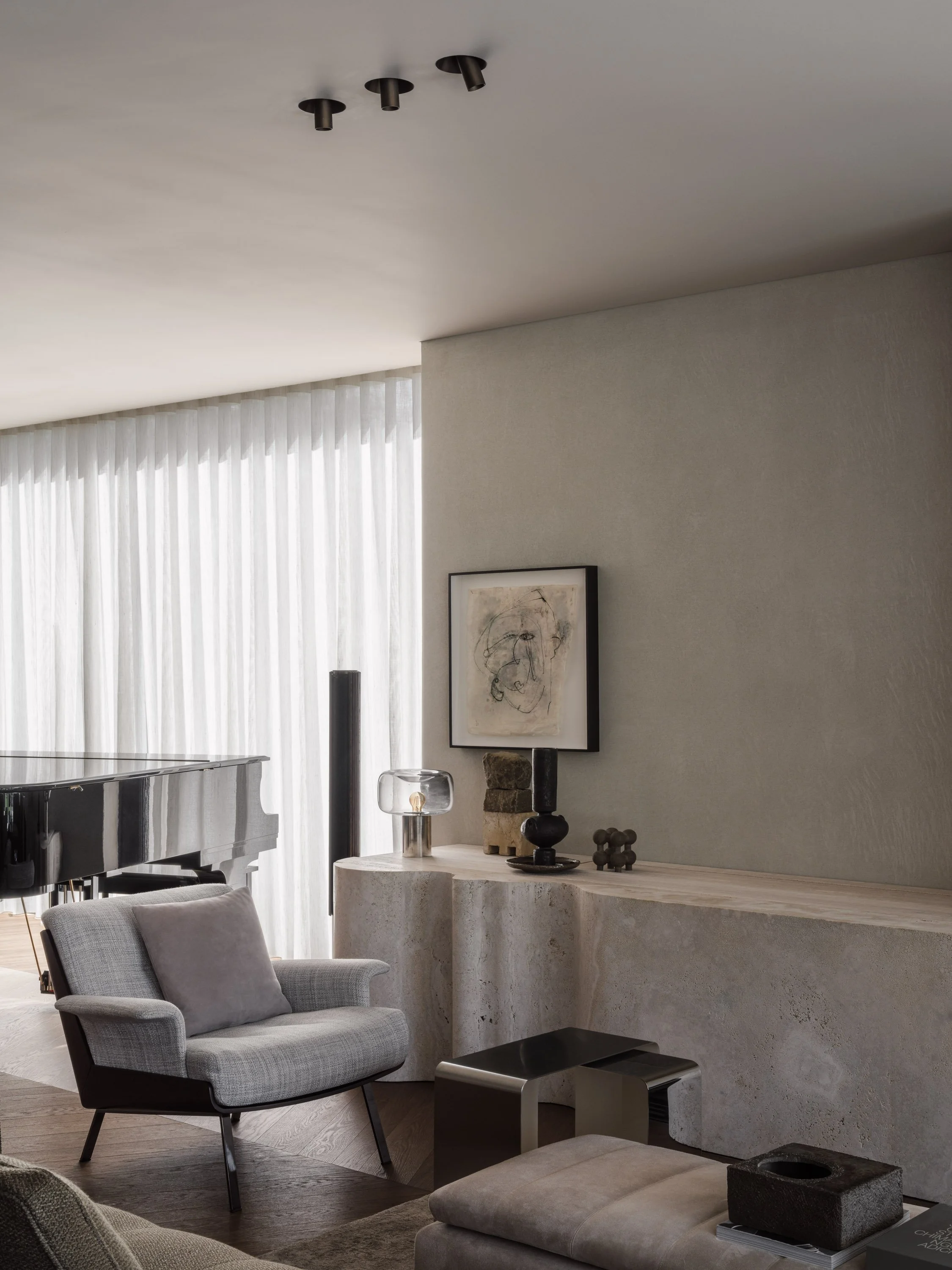
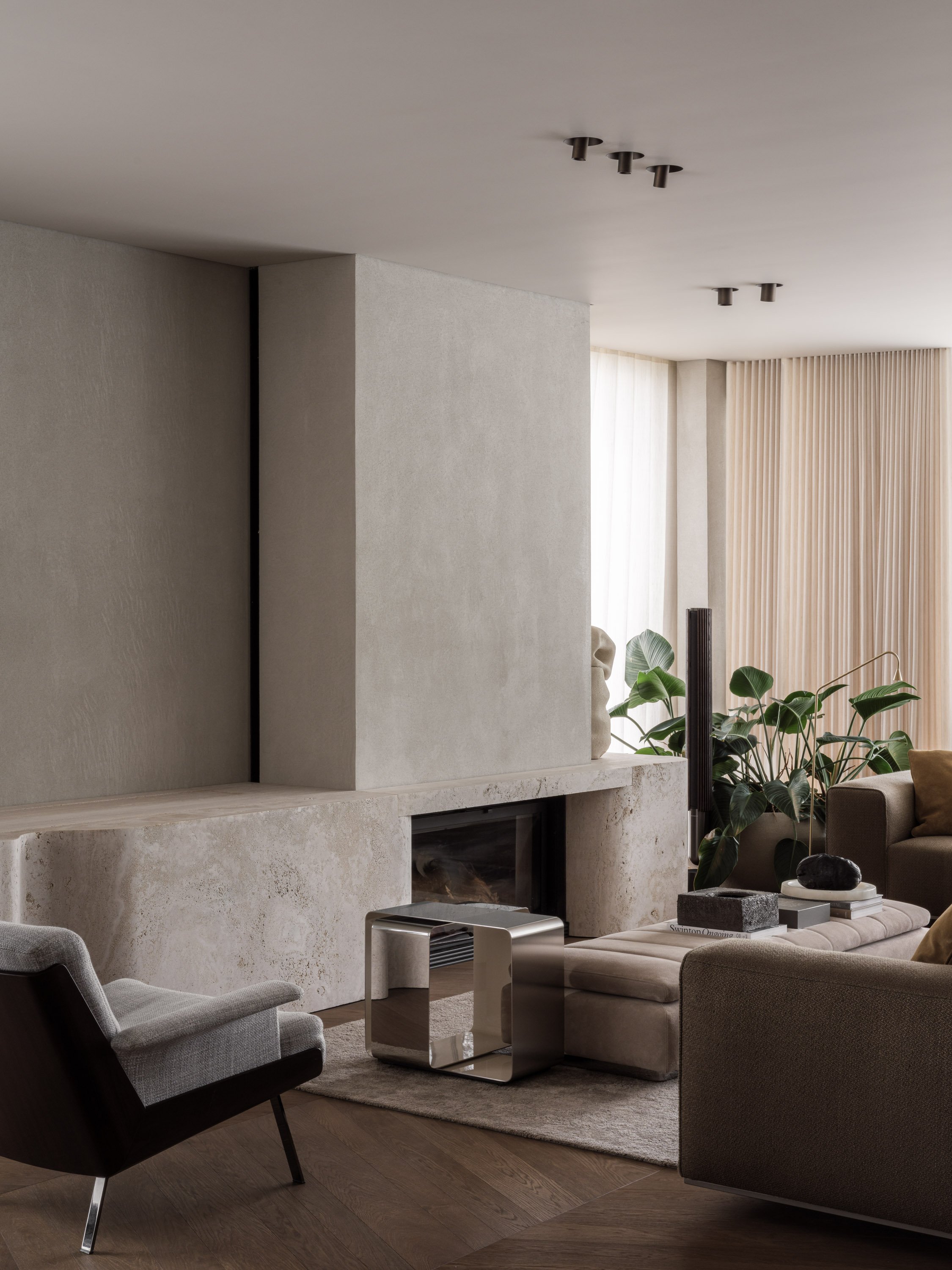
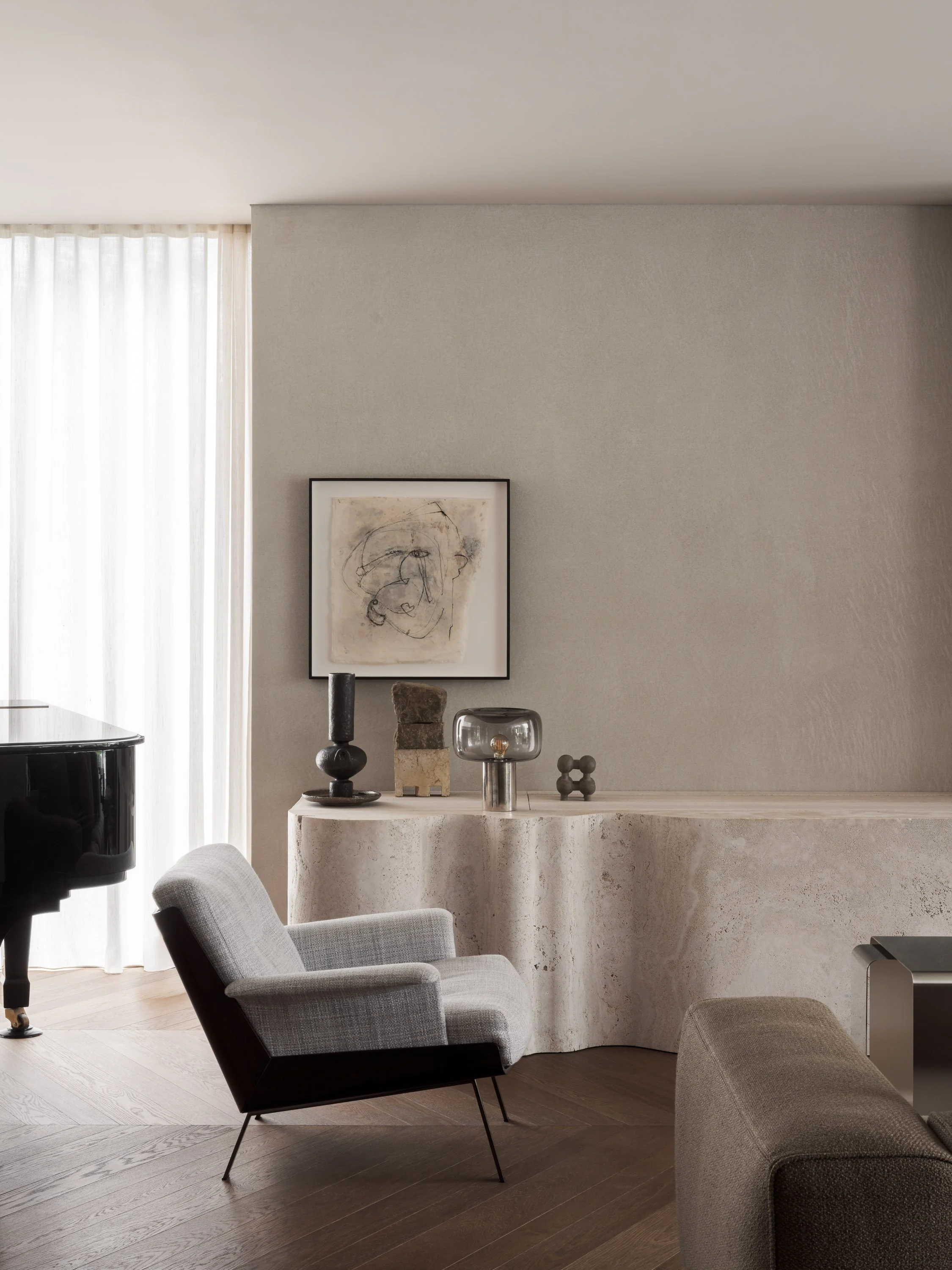
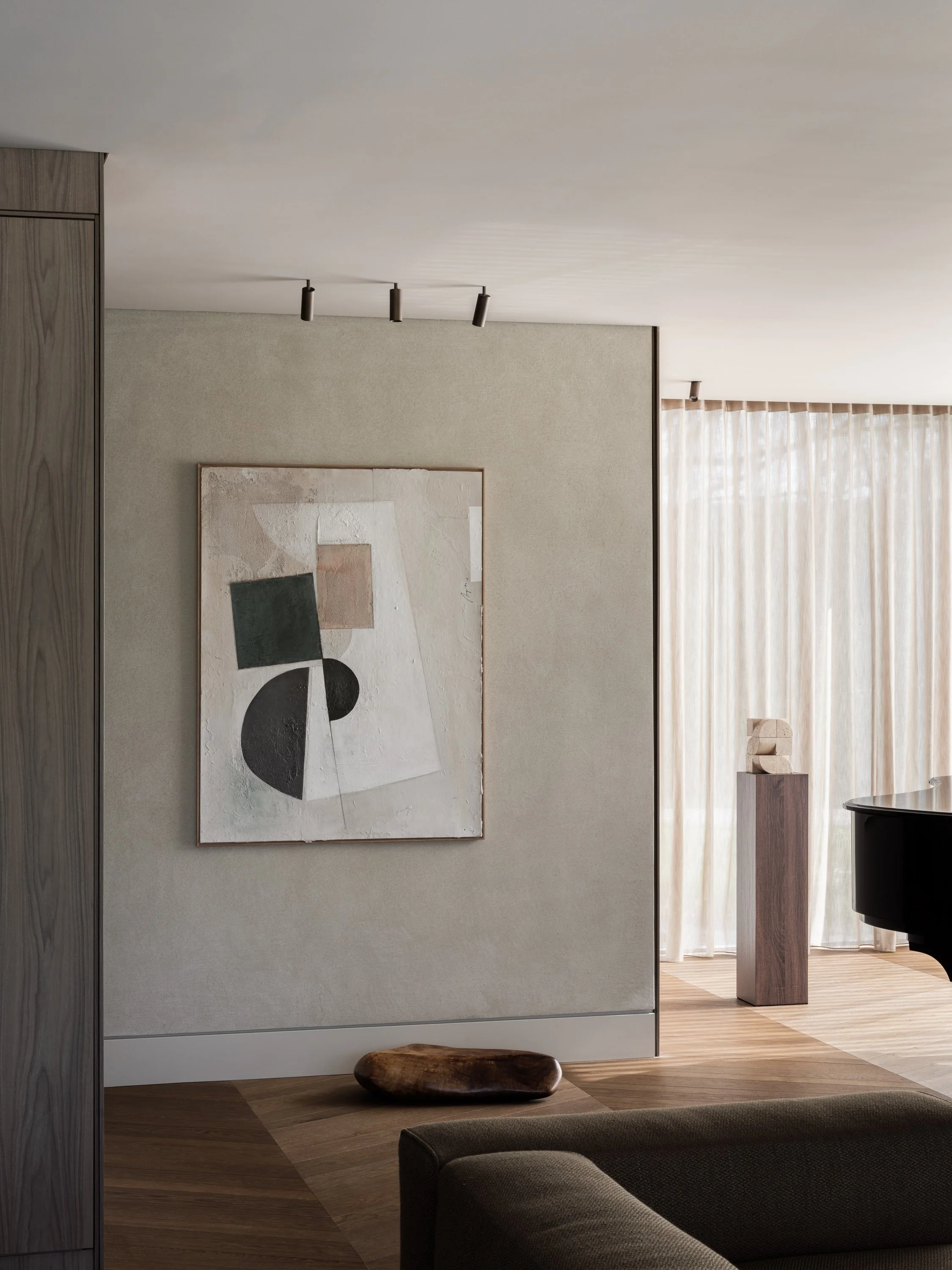
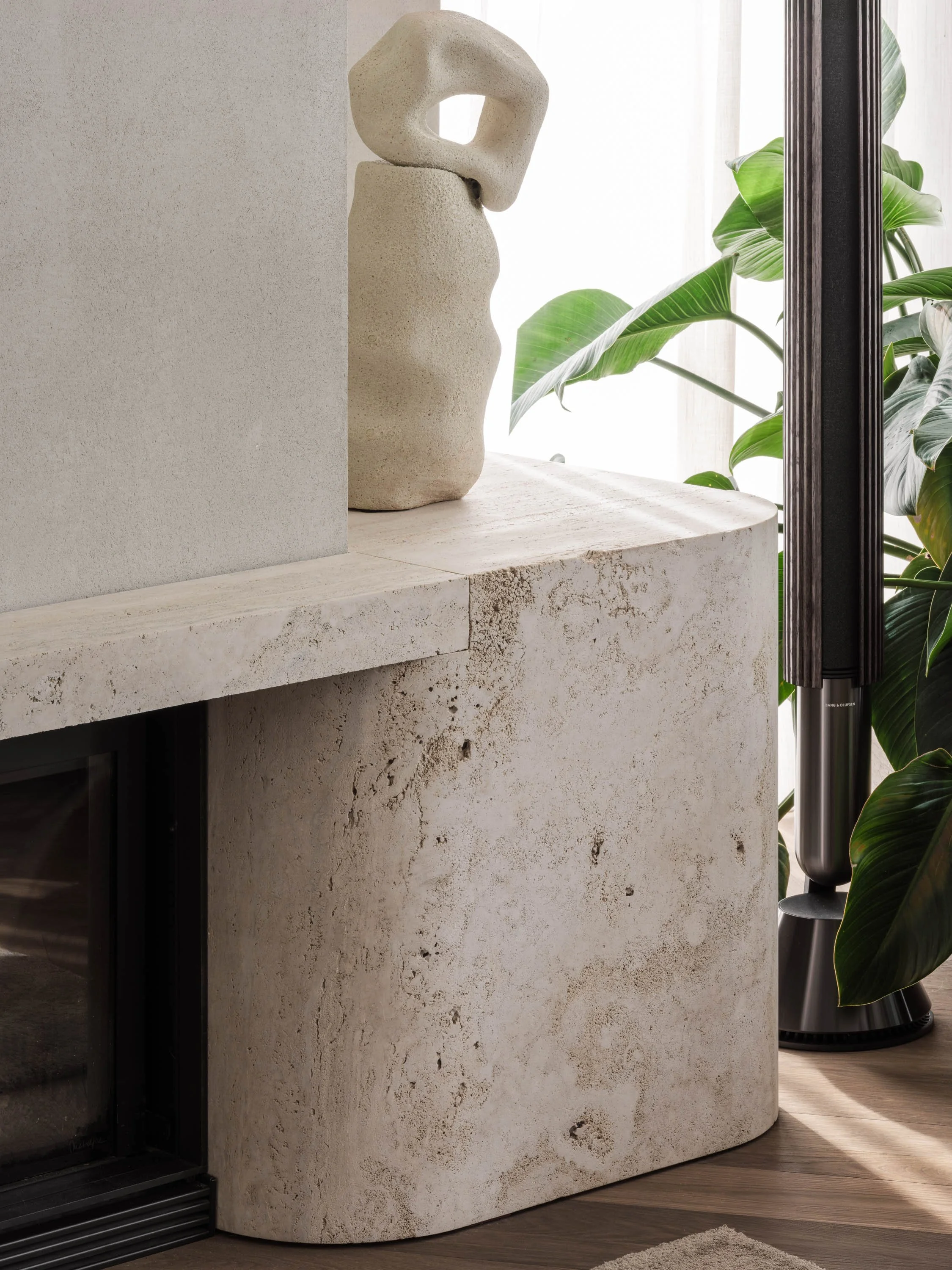
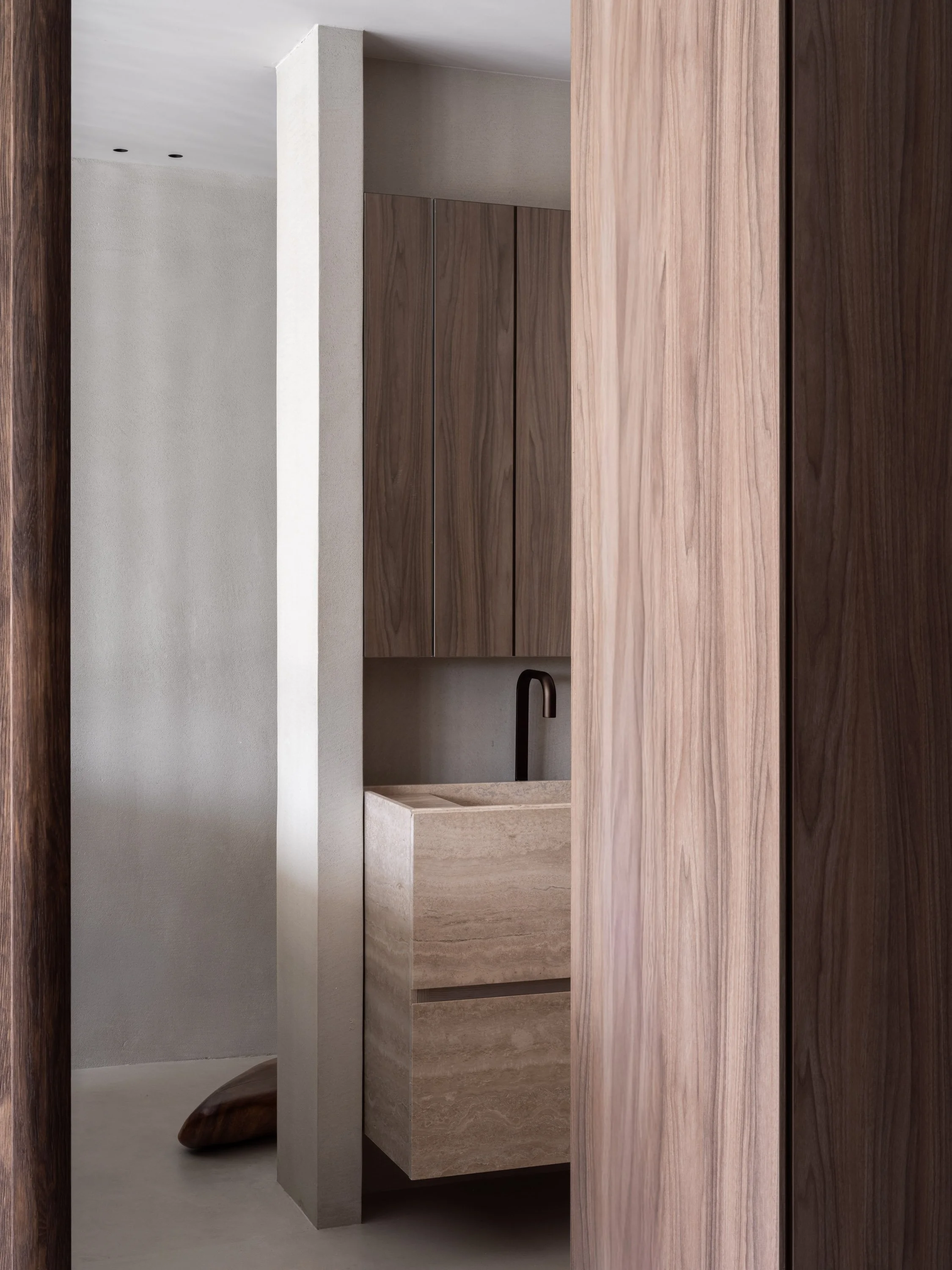
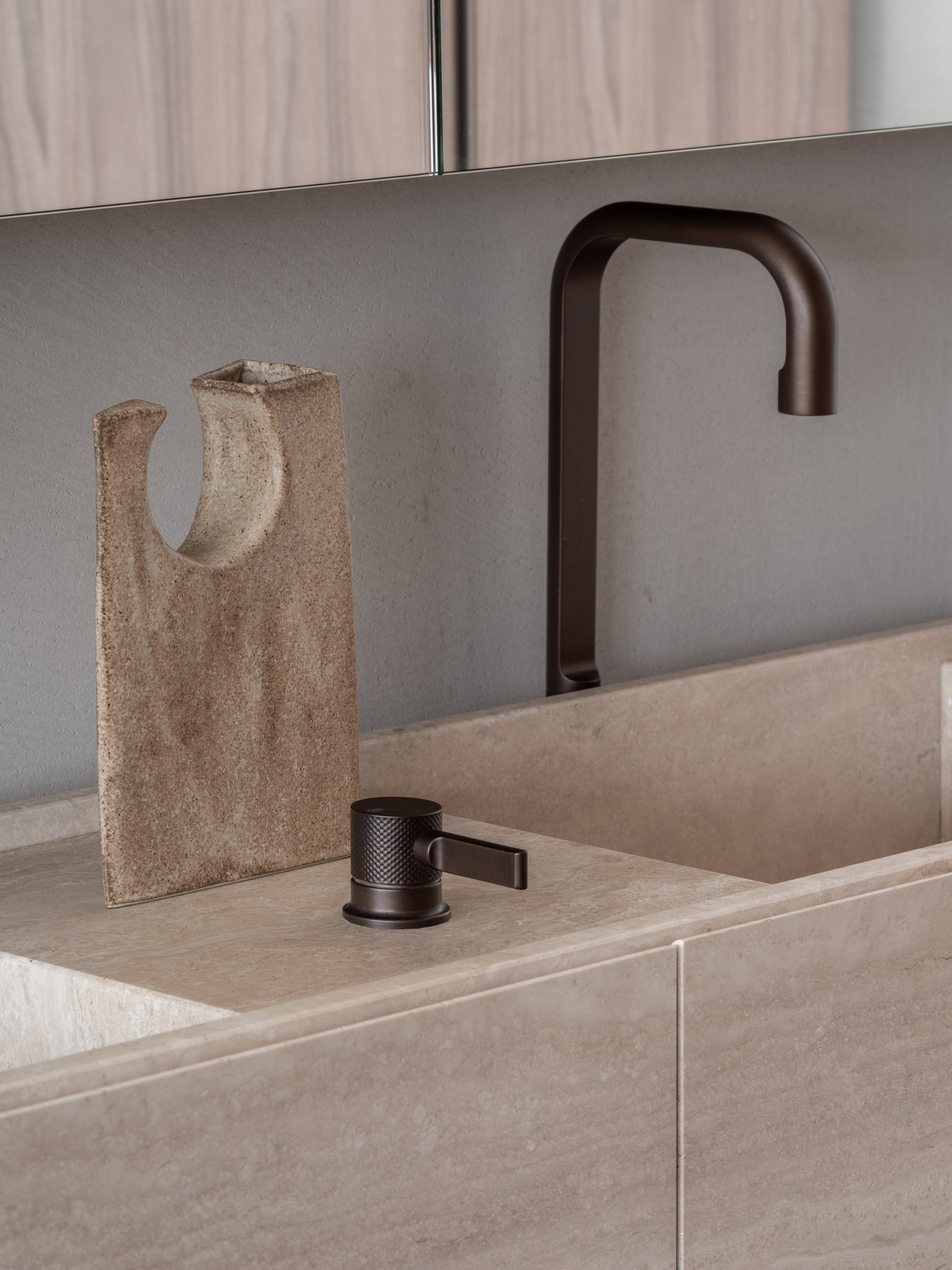
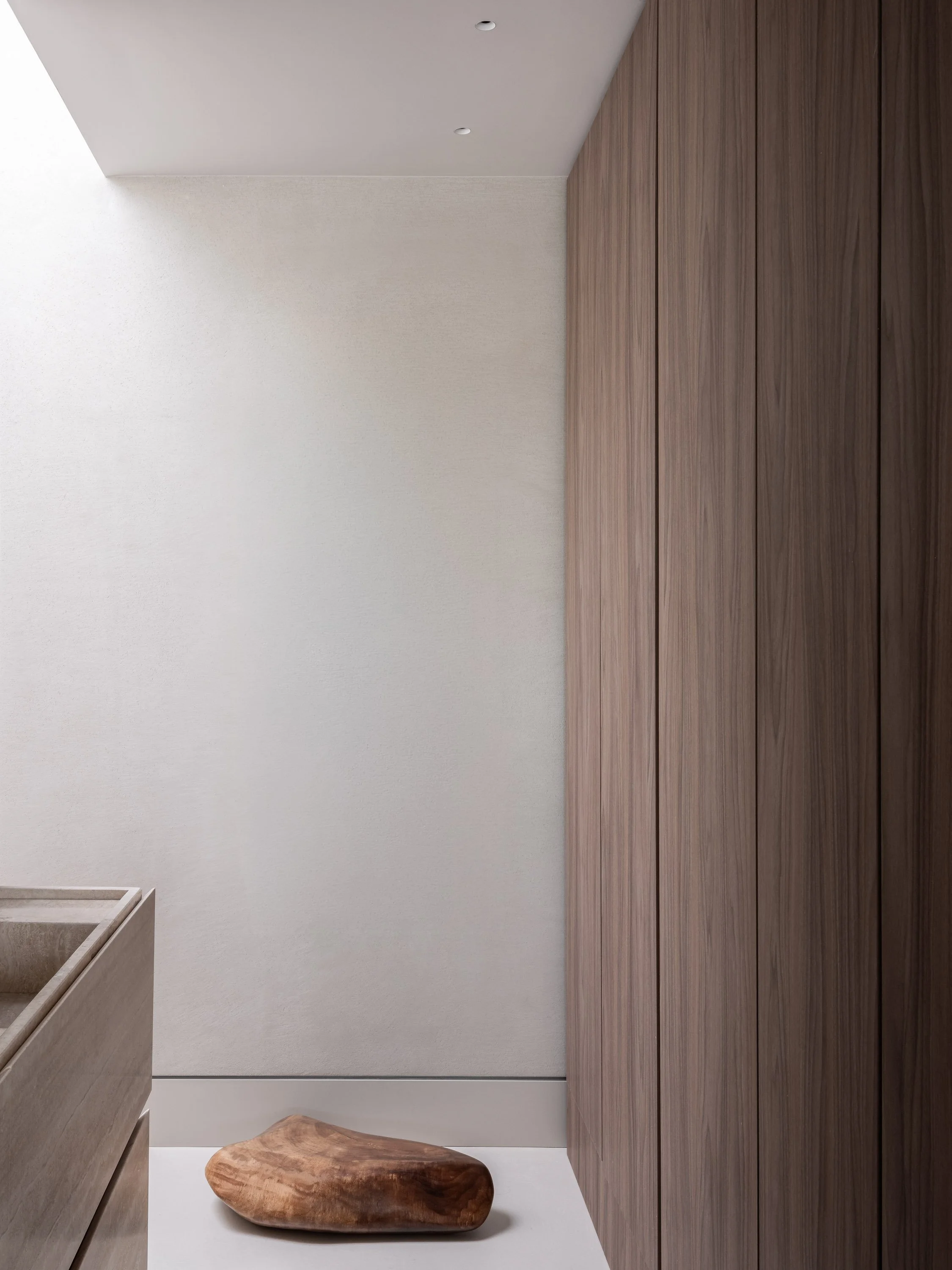
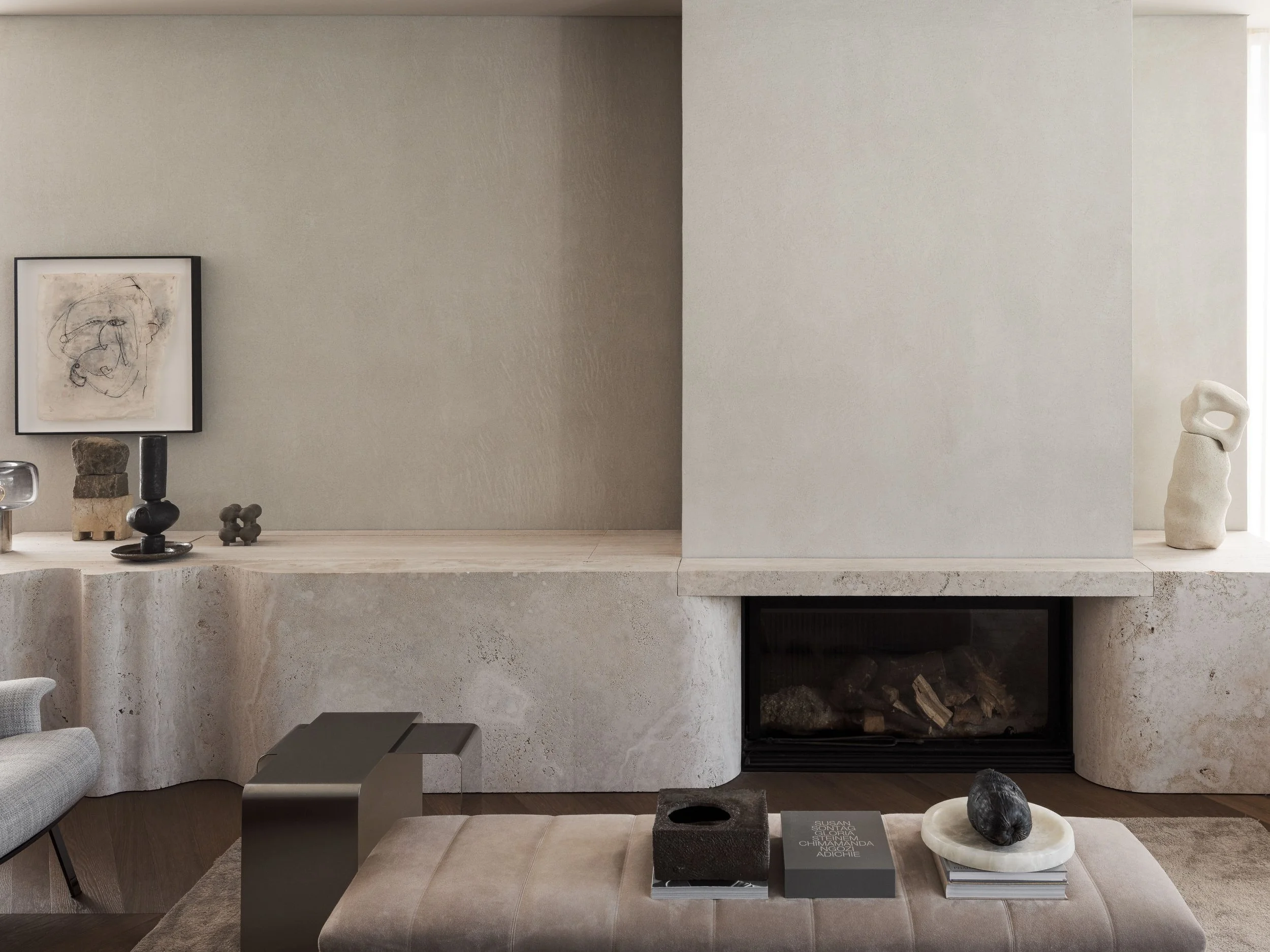
Every detail was considered with longevity in mind. A custom roof edge conceals technical elements while protecting the façade from water staining. A white roof reduces heat gain and supports rainwater harvesting. Natural materials, including Ceppo di Gré, travertine and a bespoke Hungarian point timber floor, bring warmth and timeless character.
Today, Villa K serves as a family residence, creative studio and living laboratory, demonstrating how craftsmanship, innovation and architecture can come together to quietly enrich everyday life.